
Your car’s interior tells a story—one of morning coffee mishaps, impromptu road trips, and the occasional muddy paw print. But over time, these memories can turn into unsightly stains and lingering odors that detract from the joy of driving. Imagine sliding into a car with upholstery so clean it feels like new, a space where every seat is fresh, inviting, and free from the remnants of yesterday’s spills. Sounds like a dream, right? It doesn’t have to be.
In this guide, we’re uncovering the best way to clean car upholstery, tackling everything from stubborn coffee stains to that mysterious, ever-present odor in the back seat. With a blend of expert tips, clever tricks, and must-have products, you’ll learn how to rejuvenate your car’s interior, transforming it into a sanctuary on wheels. Whether you’re battling everyday spills or ready to conquer deep-set grime, we’ve got you covered. Ready to reclaim the comfort and cleanliness of your car? Let’s dive in.
Let’s Keep It Squeaky Clean

Why Keeping Your Car Upholstery Clean Matters
Your car is more than just a vehicle; it’s an extension of your personal space, a moving sanctuary that accompanies you on life’s journeys. Keeping your car upholstery clean isn’t just about aesthetics—although who doesn’t love a spotless interior? It’s about preserving the value of your vehicle, ensuring a healthier environment for you and your passengers, and simply making every drive a more pleasant experience. Dirty upholstery can harbor bacteria, allergens, and odors that make every ride uncomfortable. Plus, over time, stains can become permanent, leading to costly repairs or replacements. Clean upholstery isn’t just a luxury; it’s an essential part of maintaining your car’s longevity and your peace of mind.
The Struggles of Stains and Spills: A Common Problem
We’ve all been there—coffee cups that tip over during a sharp turn, muddy shoes that find their way onto the seats, or that fast-food ketchup packet that somehow bursts in the worst possible spot. Stains and spills are an inevitable part of car ownership, but they don’t have to be a permanent scar on your vehicle’s interior. The real struggle lies not just in the mess itself, but in knowing how to effectively clean it without damaging your upholstery. Many car owners make the mistake of using harsh chemicals or improper techniques that can worsen the situation, leading to discoloration or even fabric deterioration. Understanding the unique challenges of different types of stains—and the best ways to tackle them—is key to keeping your car’s interior looking as good as new.
What You’ll Learn: The Best Techniques and Tools
In this comprehensive guide, we’re diving deep into the world of car upholstery care. From the essential tools you need to keep on hand, to the best car cleaners for every type of stain, you’ll find everything you need to become a master of car interior cleaning. We’ll explore how to handle common spills like coffee and food, as well as more stubborn stains like ink and grease. Whether your car seats are fabric, leather, or synthetic, you’ll learn the most effective upholstery cleaning techniques to clean them without causing damage. By the end of this guide, you’ll be equipped with the knowledge to not only clean your upholstery but also to protect it from future mishaps. Ready to restore your car’s interior to its former glory? Let’s get started.
Understanding Different Types of Car Upholstery
Fabric Upholstery: Common Materials and Their Challenges
Fabric upholstery is a mainstay in many vehicles, offering a cozy, familiar touch that makes any car ride more comfortable. Its affordability and versatility make it a popular choice, yet it’s not without its challenges. Fabric, by nature, is porous, meaning it acts like a sponge when it comes into contact with liquids, oils, or dirt. This makes cleaning and maintenance a bit more intricate than simply wiping down a leather seat.
Consider polyester, one of the most common materials used in car upholstery. It’s durable, resistant to fading, and generally holds up well against everyday wear and tear. But when faced with a stubborn stain, polyester can be unforgiving. Without prompt and proper care, a simple spill can become a permanent blemish. Then there’s nylon, another widely used fabric. Known for its strength and resistance to abrasion, nylon is a solid choice for families and frequent travelers. However, it has a tendency to cling to dirt, making deep cleaning essential to keep it looking its best. Lastly, there’s microfiber, a luxurious fabric that’s incredibly soft to the touch. While it offers a high-end feel, it’s also a magnet for dust and debris, requiring regular upkeep to maintain its pristine condition.
Synthetic Upholstery: Durable but Tricky
Synthetic upholstery, often seen as a modern alternative to leather, brings durability and style to the table without the hefty price tag. Commonly referred to as faux leather or leatherette, these materials mimic the look and feel of real leather, but with added resilience. Synthetic upholstery is highly resistant to spills, stains, and even scratches, making it a smart choice for pet owners and parents alike.
However, synthetic materials are not without their quirks. One of the main advantages is that they don’t absorb liquids as quickly as fabric, giving you a bit more time to clean up a spill before it sets. But there’s a catch—certain substances, like ink or dye, can permanently mark synthetic surfaces if not addressed immediately. The key to maintaining synthetic upholstery is using the right cleaning products. Harsh chemicals can strip the material of its natural oils, leading to a sticky or stiff texture that’s uncomfortable to sit on. Additionally, synthetic upholstery can crack over time, particularly in extreme temperatures, if not properly conditioned.
Understanding the nuances of fabric and synthetic materials is essential for effective car care. With the right approach, including the use of the best car cleaners and car detailing products, you can keep your car’s interior looking sharp, no matter what type of upholstery you’re dealing with.
Essential Tools and Products for Cleaning Car Upholstery
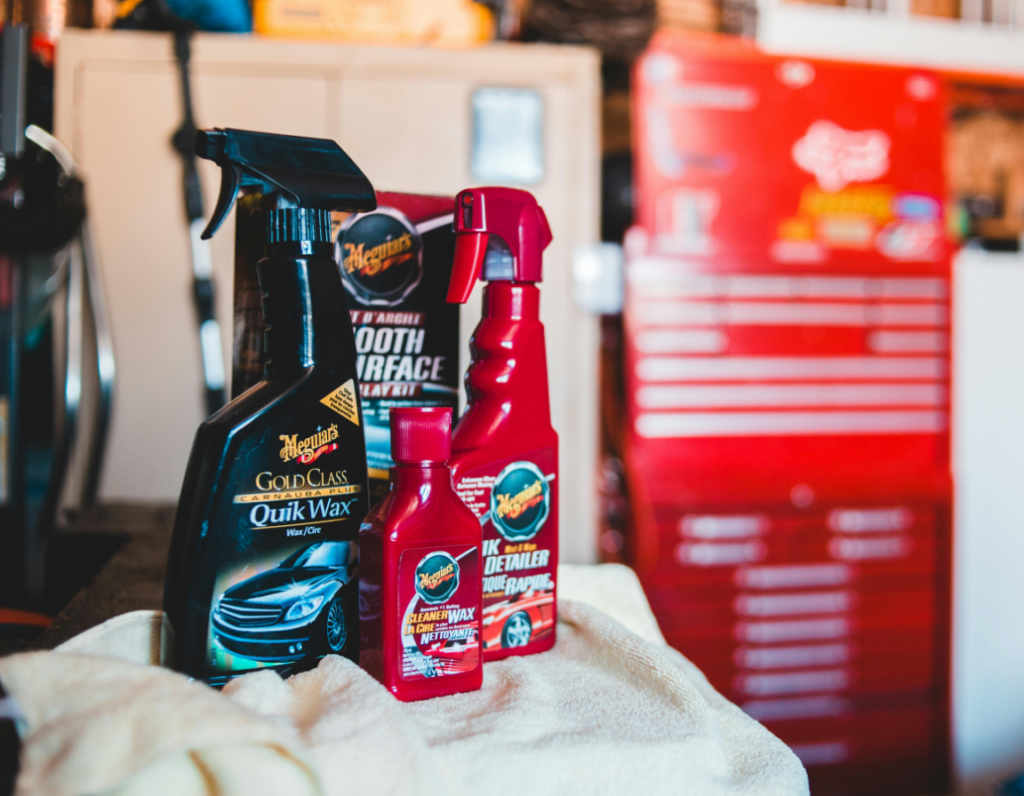
Must-Have Cleaning Tools: Brushes, Vacuums, and More
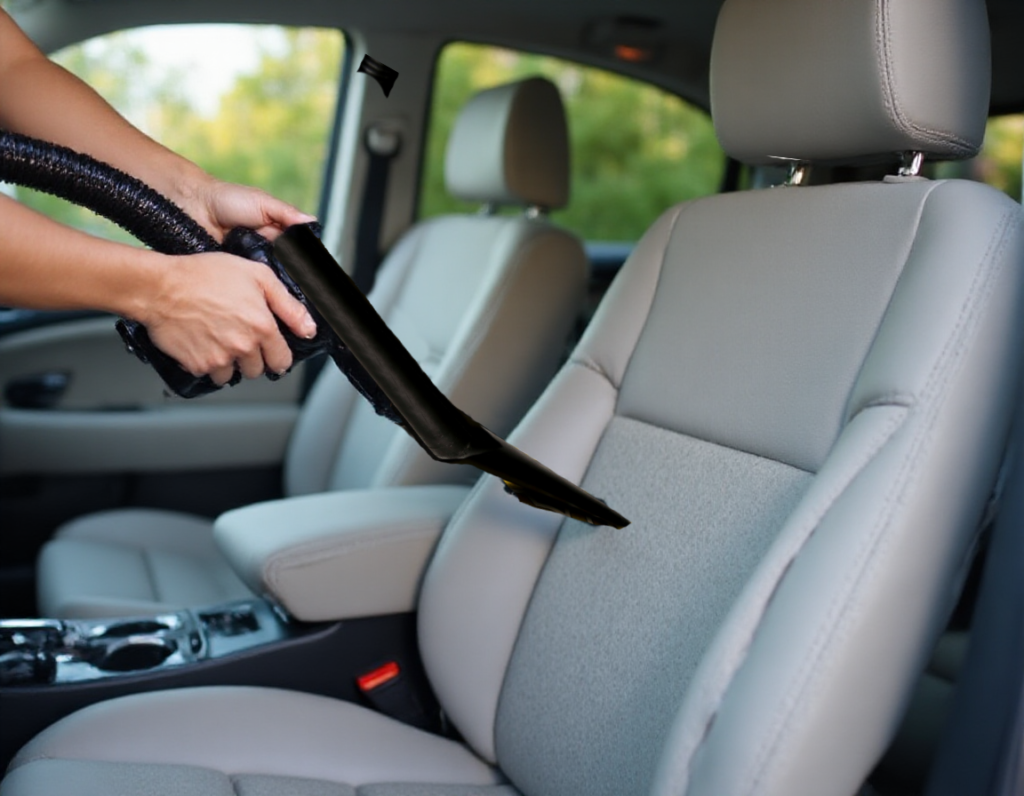
To tackle car interior cleaning like a pro, you need the right arsenal of tools. A simple cloth won’t cut it when you’re dealing with deep-seated dirt or stubborn stains. Start with a good quality vacuum cleaner. A portable, handheld vacuum with strong suction and various attachments is your first line of defense. It’s perfect for pulling out crumbs, dust, and pet hair from those hard-to-reach crevices.
Next up is a set of detailing brushes. These are indispensable for loosening dirt trapped in the fibers of your upholstery. Look for brushes with soft, synthetic bristles to avoid damaging delicate fabrics. A stiff-bristled brush is ideal for tougher materials, while a smaller, more precise brush can help with intricate stitching and seams. For those really tough spots, a steam cleaner can be a game-changer. It not only lifts stains but also sanitizes the fabric, killing off bacteria and allergens lurking within.
Don’t forget about microfiber cloths—they’re the unsung heroes of auto interior upkeep. These cloths are gentle yet effective at wiping away residues without leaving streaks or scratches. Keep a few on hand for different purposes: one for applying cleaning products, another for wiping, and a third for buffing.
Top-Rated Upholstery Cleaners: What to Buy
When it comes to choosing car detailing products, the market is flooded with options. But not all cleaners are created equal. For general use, a foaming fabric cleaner is versatile and effective, capable of lifting stains without saturating the fabric. These cleaners are designed to penetrate deep into the fibers, breaking down dirt and grime at the root. Products like Chemical Guys Foaming Citrus Fabric Clean are great all-rounders that work on a variety of materials.
For those dealing with leather or synthetic upholstery, specialized cleaners are a must. Leather cleaners like Lexol or Leather Honey not only clean but also condition the leather, preventing it from drying out and cracking. If you’re working with synthetic materials, products like Meguiar’s Gold Class Rich Leather Cleaner and Conditioner offer a similar effect, cleaning while preserving the integrity of the material.
For pet owners, an enzymatic cleaner is a must-have. These cleaners target pet stains and odors at a molecular level, ensuring that your car doesn’t just look clean—it smells clean too. Brands like Nature’s Miracle are highly effective at neutralizing even the most stubborn pet odors.
DIY Solutions: Making Your Own Cleaning Products
If you prefer a more natural approach or are looking to save some money, DIY car cleaning solutions can be just as effective as store-bought products. A simple mixture of white vinegar and water can work wonders on fabric upholstery care. The vinegar helps to break down stains, while the water dilutes the acidity to prevent damage. For a fresh scent, add a few drops of essential oil, like lavender or lemon.
Baking soda is another household staple that’s perfect for tackling odors and light stains. Simply sprinkle it over the affected area, let it sit for 15-20 minutes, and then vacuum it up. For tougher stains, create a paste using baking soda and a bit of water. Apply it to the stain, let it dry, and then brush it off.
For leather upholstery, a mixture of olive oil and white vinegar can serve as both a cleaner and conditioner. The vinegar cuts through grime, while the oil replenishes the leather’s natural moisture. Just be sure to buff the surface thoroughly afterward to avoid any greasy residue.
With the right tools and products, both store-bought and homemade, keeping your car upholstery in pristine condition becomes a manageable task, leaving your interior looking and feeling like new. By incorporating best practices for upholstery cleaning and using high-performance car cleaning methods, you ensure effective car cleaning results.
Pre-Cleaning Prep: Getting Ready to Tackle the Job
Step-by-Step Guide to Vacuuming Your Seats
Before diving into any upholstery cleaning, it’s essential to lay the groundwork with a thorough vacuuming. This step is crucial for removing loose dirt, crumbs, and debris that can hinder your cleaning efforts and potentially scratch your upholstery. Start by removing any items from your car that might obstruct your cleaning, such as mats, car seats, or personal belongings.
Once your car is clear, equip yourself with a handheld vacuum or a vacuum with a hose attachment. Begin at the top of the seats and work your way down, using the vacuum’s upholstery attachment to gently suction away surface dirt. Pay extra attention to seams and crevices where crumbs and dirt often accumulate. These areas can be particularly challenging to clean and require a bit more diligence.
For fabric upholstery, use the vacuum’s brush attachment to agitate the fabric lightly. This helps to lift dirt and debris from the fibers, making the subsequent cleaning process more effective. For synthetic or leather upholstery, switch to a softer brush or a microfiber cloth attachment to avoid any risk of scratching.
Don’t forget the floor area around your seats. Vacuuming the entire cabin ensures that no dirt or debris ends up back on your freshly cleaned upholstery. After vacuuming, take a moment to inspect the seats for any visible stains or spots that might need extra attention. This step is crucial for a comprehensive clean.
Spot Test: Ensuring Your Cleaner Won’t Damage the Upholstery
Before applying any cleaning solution to your upholstery, always perform a spot test. This simple yet vital step ensures that your chosen cleaner won’t cause discoloration or damage to your upholstery. Choose an inconspicuous area of your seats—such as a corner or under a seat cushion—where any potential damage will be less noticeable.
Apply a small amount of the cleaner to a clean, white cloth or cotton ball. Gently blot the test area, being careful not to rub or scrub. Observe the area for a few minutes to check for any adverse reactions, such as color bleeding or fabric deterioration. If you notice any negative effects, it’s best to choose a different cleaner or consult with a professional.
For fabric upholstery, the spot test can reveal how well the cleaner interacts with the fibers and if it will leave any residues. For synthetic or leather materials, the test helps to ensure that the cleaner doesn’t strip away essential oils or cause cracking.
Once the spot test is complete and you’re confident in the cleaner’s safety, proceed with applying it to the rest of the upholstery. Following these preparatory steps will ensure that your cleaning efforts yield the best results, preserving the integrity and appearance of your car’s interior.
With your car vacuumed and the spot test complete, you’re now ready to tackle the deep cleaning. These pre-cleaning steps set the stage for a thorough and effective upholstery refresh, paving the way for a clean, fresh interior. Employing upholstery cleaning guides and effective car cleaning methods will ensure your car interior care is top-notch.
The Best Way to Clean Fabric Car Upholstery
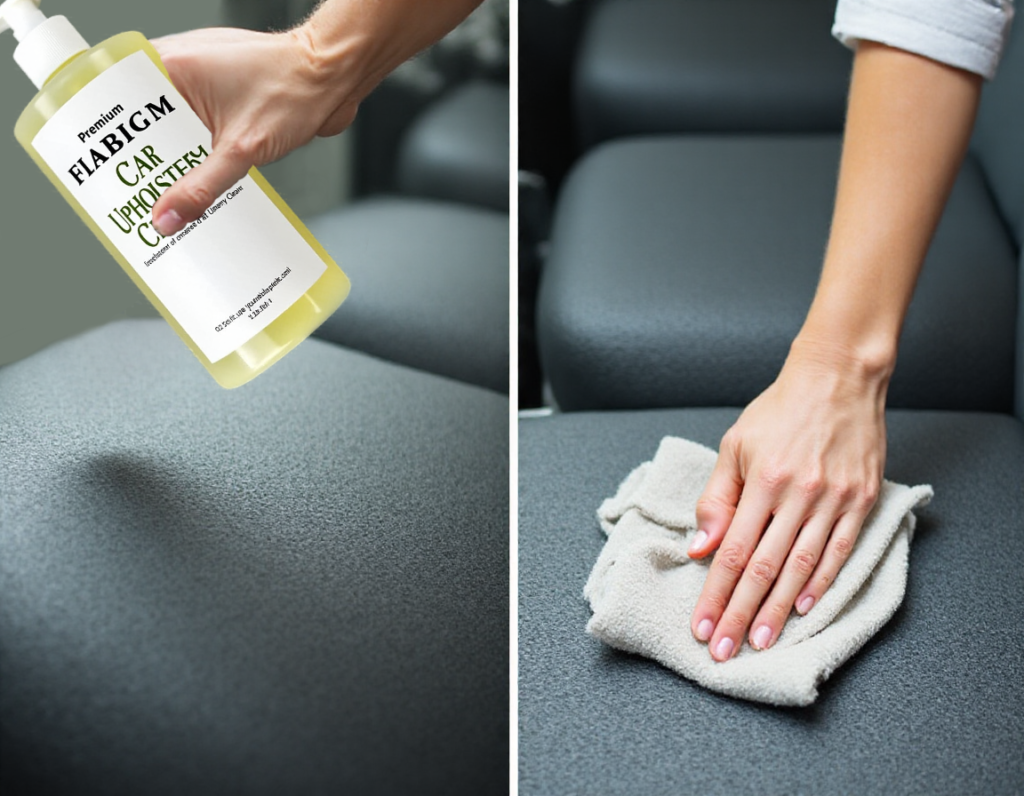
Step 1: Choosing the Right Cleaner for Fabric
Selecting the appropriate cleaner is paramount for effective fabric upholstery care. The market offers a myriad of car interior cleaning products, but not all are created equal. Look for a cleaner specifically designed for automotive fabric. Products like Chemical Guys Fabric Clean or Meguiar’s Carpet & Upholstery Cleaner are well-regarded for their ability to penetrate deep into fibers and lift dirt without causing damage.
When choosing a cleaner, consider the type of stains and the fabric’s sensitivity. For general cleaning, a foaming cleaner works well as it expands into the fabric, loosening dirt and grime. If dealing with stubborn stains, a cleaner with enzyme-based formulas can break down organic matter, making it easier to remove tough spots. Always ensure the cleaner is compatible with your fabric type by checking product labels or manufacturer recommendations.
Step 2: Scrubbing Techniques for Different Stains
Once you have the right cleaner, the next step is to tackle stains with precision. Begin by applying the cleaner according to the instructions—usually, this involves spraying it onto the affected area or applying it with a clean cloth. For a more intense clean, use a soft-bristled brush.
For light stains, gently agitate the fabric in a circular motion. This helps to lift the dirt without embedding it further into the fibers. For more persistent stains, such as grease or ink, apply the cleaner directly and let it sit for a few minutes to break down the stain. Afterward, scrub the area with a brush, working from the outside in to avoid spreading the stain.
Be mindful of the amount of water used during the cleaning process. Excess moisture can lead to mold growth and unpleasant odors. If the fabric appears overly saturated, blot the area with a clean, dry cloth to absorb excess moisture. Utilizing upholstery cleaning techniques ensures that you effectively tackle even the toughest stains while maintaining the integrity of your fabric upholstery.
Step 3: Rinsing and Drying for a Fresh Finish
After scrubbing, the final steps are rinsing and drying. To remove any residual cleaner, lightly rinse the fabric with clean water. This can be done using a damp cloth or, if feasible, a wet vacuum to extract the excess moisture. Make sure to rinse thoroughly to avoid leaving behind any soapy residue, which can attract more dirt.
Once the fabric is rinsed, focus on drying. Proper drying is crucial to prevent mold and mildew. If possible, allow the upholstery to air dry by keeping your car windows open or parking in a well-ventilated area. For quicker results, use a clean, dry towel to blot the fabric and absorb as much moisture as possible.
For an extra touch, you can use a fan or a hairdryer set on a cool setting to expedite the drying process. Avoid direct heat sources as they can damage the fabric or cause it to shrink. By employing high-performance car cleaning methods and following best practices for upholstery cleaning, you’ll restore your fabric upholstery to its former glory, leaving it fresh and inviting.
The Best Way to Clean Leather Car Upholstery
Step 1: Picking a Leather-Safe Cleaner
Leather upholstery demands a touch of finesse when it comes to cleaning. The first step is selecting a cleaner that is gentle yet effective. Leather-safe cleaners, such as Lexol Leather Cleaner or Chemical Guys Leather Cleaner, are specially formulated to clean without stripping away the leather’s natural oils. Avoid harsh chemicals or all-purpose cleaners that can degrade the leather’s texture and appearance.
Look for a pH-balanced cleaner to ensure it maintains the leather’s integrity. Read the product instructions carefully to confirm compatibility with your type of leather. Whether your seats are full-grain or bonded, using a cleaner specifically designed for leather helps preserve their natural suppleness and luster.
Step 2: Gently Cleaning Without Damaging Leather
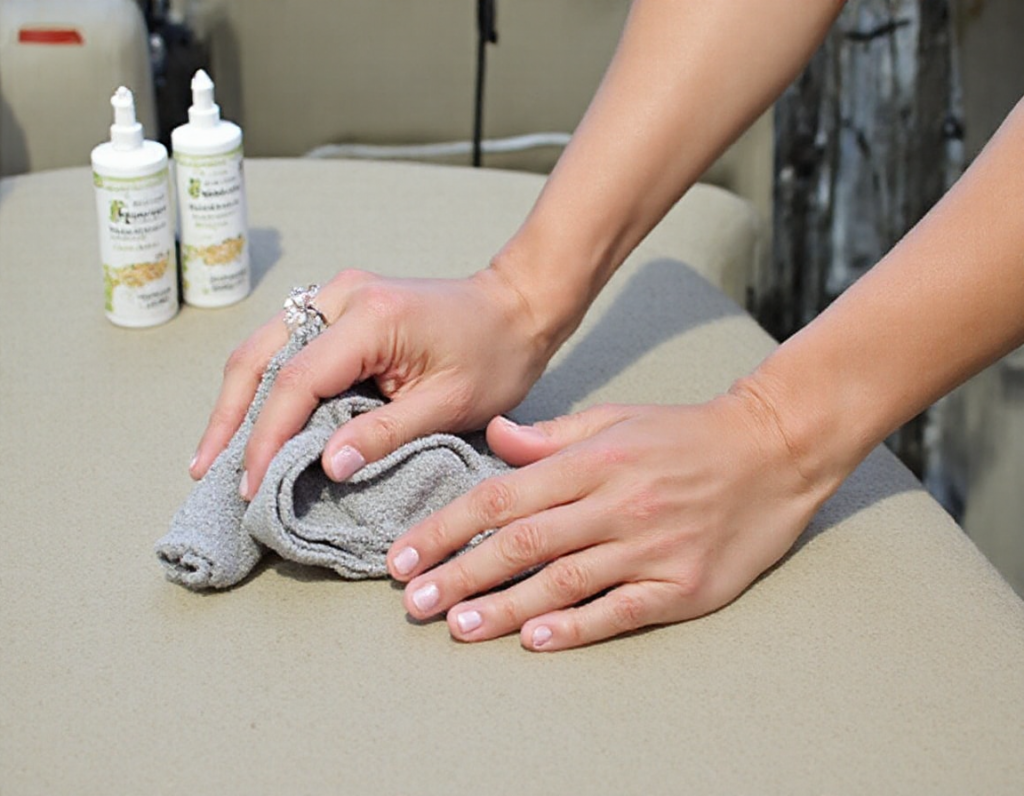
Once you have the right cleaner, it’s time to put it to use. Start by vacuuming the leather seats to remove any loose dirt and debris. This prevents particles from scratching the leather during the cleaning process. Apply a small amount of leather cleaner to a soft, lint-free cloth—microfiber works well for this purpose.
Gently rub the cleaner into the leather using circular motions. Avoid applying too much pressure or using abrasive scrubbing techniques, as these can damage the leather’s surface. Pay special attention to seams and crevices, where dirt often accumulates. For heavily soiled areas, let the cleaner sit for a few minutes to loosen the grime before wiping it away.
After cleaning, use a separate, clean cloth to wipe off any excess cleaner and residual dirt. This step ensures that no cleaner is left behind to dry out the leather or leave a sticky residue. Always work in small sections to maintain control over the cleaning process and achieve a uniform finish.
Step 3: Conditioning the Leather for Long-Lasting Shine
Cleaning alone isn’t enough to keep leather upholstery looking its best. Conditioning is crucial to replenish the leather’s natural oils and maintain its suppleness. Leather conditioners, like Leather Honey Conditioner or Meguiar’s Gold Class Leather Conditioner, are formulated to nourish and protect the leather from drying out and cracking.
Apply the conditioner using a clean, soft cloth, following the manufacturer’s instructions. Generally, you’ll want to apply a thin, even layer and allow it to penetrate the leather for 10 to 15 minutes. This allows the conditioner to deeply moisturize the leather, enhancing its flexibility and shine.
After conditioning, buff the leather with a clean, dry cloth to remove any excess product and bring out a glossy finish. Regular conditioning helps prevent wear and tear, keeping your leather seats looking elegant and feeling comfortable. Aim to condition your leather upholstery every few months or as needed, depending on the level of use and exposure to sunlight.
By choosing the right cleaner, applying gentle cleaning techniques, and conditioning regularly, you’ll maintain the luxurious appearance and feel of your leather car upholstery. With these steps, your seats will not only look fantastic but also stand the test of time, thanks to effective car cleaning methods and car interior care products.
The Best Way to Clean Synthetic Upholstery
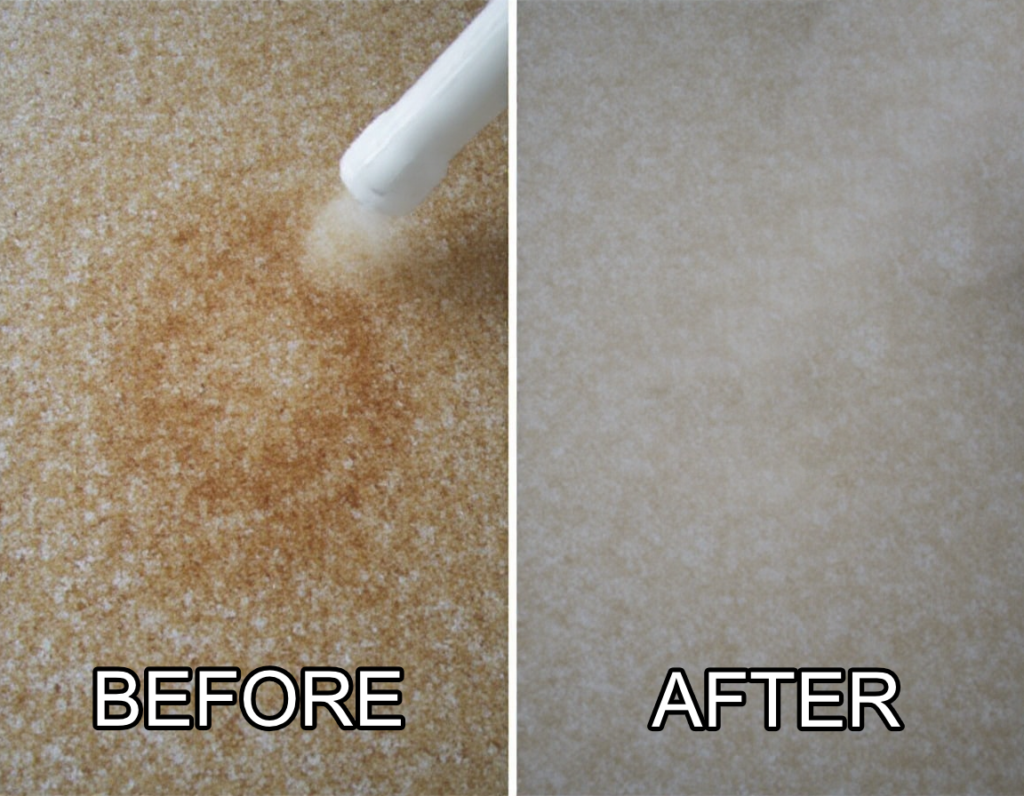
Step 1: Selecting the Right Cleaner for Synthetics
When it comes to synthetic upholstery, choosing the right cleaner is essential for a pristine finish. Synthetic materials like microfiber or vinyl are more resilient than their natural counterparts but still require specialized care. Opt for a cleaner designed specifically for synthetic fabrics. Products like 303 Aerospace Protectant or Meguiar’s Quik Interior Detailer are excellent choices for maintaining both appearance and durability.
Avoid cleaners that are overly harsh or contain bleach, as these can damage the synthetic fibers and alter their texture. Check the label for compatibility with your upholstery type, and ensure the cleaner is non-toxic and safe for use in enclosed spaces. A pH-balanced cleaner will help maintain the integrity of the material while effectively removing dirt and stains. For effective car cleaning methods, ensure the cleaner you choose aligns with high-performance car cleaning standards.
Step 2: Cleaning Techniques for Tough Synthetic Material
With your cleaner in hand, it’s time to tackle the upholstery. Start by vacuuming the seats thoroughly to remove any loose dirt and debris. This prevents particles from becoming embedded in the synthetic material during cleaning.
Apply a small amount of cleaner to a soft cloth or sponge. For synthetic fabrics, a gentle touch is key. Lightly rub the cleaner into the material using circular motions. This technique helps to lift dirt without pushing it deeper into the fibers. For tougher stains, such as grease or coffee spills, apply the cleaner directly to the affected area and let it sit for a few minutes to break down the stain.
For stubborn grime, a soft-bristled brush can be used to agitate the surface gently. Be careful not to scrub too aggressively, as this can damage the synthetic fibers. Once you’ve treated the stains, wipe the area with a clean, damp cloth to remove excess cleaner and residue. These upholstery cleaning techniques will help ensure that your synthetic upholstery remains in top shape.
Step 3: Final Touches: Drying and Protecting Synthetic Seats
After cleaning, ensuring the upholstery is thoroughly dried is vital to prevent mold growth and unpleasant odors. Use a dry, clean towel to blot the seats, absorbing as much moisture as possible. If your vehicle is in a well-ventilated area, allow the seats to air dry completely. For quicker results, a fan or the vehicle’s air conditioning can help expedite the drying process.
To further protect your synthetic upholstery, consider applying a fabric protector designed for synthetic materials. These protectors help repel stains and spills, making future cleanings easier and extending the life of your upholstery. Apply the protector according to the manufacturer’s instructions, typically spraying a light, even coat over the clean, dry seats. This will also aid in car upholstery protection and auto interior upkeep.
Maintaining synthetic upholstery is all about regular care and the right products. By selecting a suitable cleaner, employing effective cleaning techniques, and applying protective treatments, you ensure your synthetic seats remain in top condition, looking fresh and feeling comfortable for years to come.
How to Remove Common Stains from Car Upholstery
Removing Coffee and Beverage Spills
Coffee spills can be the bane of car interiors. To tackle these stains, act swiftly. Start by blotting the area with a clean cloth to absorb as much of the liquid as possible. Avoid rubbing, as this can push the coffee deeper into the fibers.
For fabric upholstery, mix a solution of mild dish soap and warm water. Apply the solution with a soft cloth, gently dabbing and working from the outside in. Rinse with clean water and blot dry with a towel. For leather, use a leather cleaner suitable for coffee stains, followed by a leather conditioner to restore the material’s luster.
Beverage spills, especially those with sugar or dairy, can be trickier. Use a fabric cleaner with enzyme-based properties for fabric seats to break down sticky residues. For leather, a mixture of water and a few drops of mild soap can be effective. Clean, rinse, and dry thoroughly to avoid any lingering odors or residue. Employing car interior stain treatment methods ensures your upholstery remains spotless.
How to Handle Food Stains: Grease, Sauce, and More
Food stains can range from annoying to challenging, depending on the type. For grease stains, sprinkle baking soda over the area to absorb the grease. Let it sit for about 15 minutes, then vacuum it off. For fabric, use a fabric cleaner or a solution of vinegar and water to treat the spot. Scrub gently with a soft brush, rinse, and blot dry.
Sauce stains, especially those with tomatoes or curry, require immediate attention. For fabric, blot the stain first, then apply a mixture of dish soap and water. Work it in gently with a cloth, rinse, and blot dry. For leather, use a leather cleaner suitable for greasy or oily substances, followed by conditioning to prevent the leather from drying out.
Food stains on synthetic upholstery can often be cleaned with a simple soap-and-water solution. Apply the solution, scrub gently, rinse, and dry. For stubborn stains, a dedicated upholstery cleaner may be necessary. Regular car maintenance routine practices, including stain removal for car upholstery, will keep your vehicle looking its best.
Eliminating Pet Stains and Odors
Pet stains, including urine and vomit, can be particularly challenging. For fabric upholstery, start by blotting the area with a paper towel to absorb as much of the stain as possible. Apply a mixture of vinegar and water to the area, then sprinkle baking soda over it. Allow it to sit for several hours or overnight to neutralize odors. Vacuum up the baking soda, then clean the area with a fabric cleaner and rinse thoroughly.
For leather, use a cleaner specifically formulated for pet stains, followed by a leather conditioner. Pet urine can damage leather if not treated promptly, so ensure the cleaner is applied thoroughly and the area is dried well. Using car interior care products specifically designed for such issues can be highly effective.
Dealing with Ink, Makeup, and Other Tough Stains
Ink stains can be particularly stubborn. For fabric upholstery, dab the stain with rubbing alcohol using a cotton ball. Gently blot the area, working from the outside in to prevent spreading. Rinse with water and blot dry. For leather, use a leather cleaner or a special ink remover designed for leather.
Makeup stains, such as lipstick or foundation, can be handled by applying a small amount of rubbing alcohol to the stain. Blot gently with a cloth, then clean with a fabric cleaner. For synthetic upholstery, use a mild soap solution and scrub the area lightly before rinsing and drying.
Tough stains like paint or adhesive residue may require specialized cleaners. For these, follow the manufacturer’s instructions and test any product on a small, inconspicuous area first to ensure it does not damage the upholstery. Implementing effective car cleaning methods and car detailing advice will help address these challenging stains efficiently.
By following these targeted techniques for common stains, you can keep your car upholstery looking pristine and fresh, no matter what life throws your way.
Special Tips for Dealing with Stubborn Spills
Using Enzyme Cleaners for Organic Spills
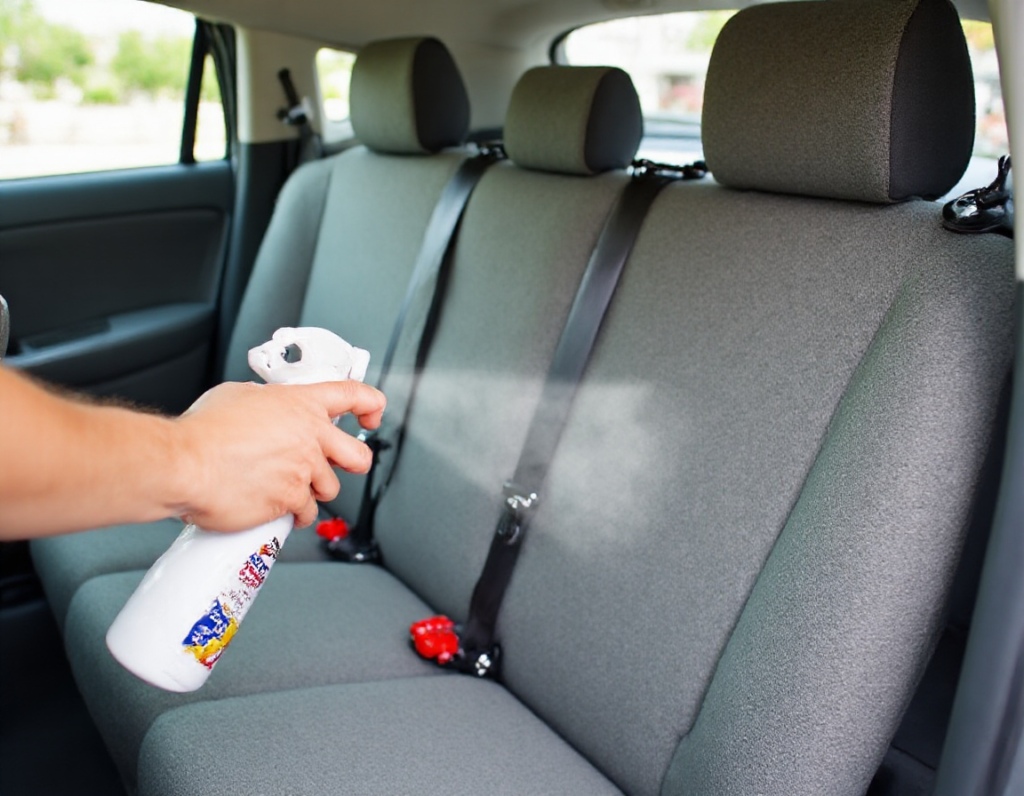
Organic spills, such as food or pet accidents, can be particularly tricky due to their nature. Enzyme cleaners are a game-changer for these situations. These specialized car detailing products contain natural enzymes that break down organic matter, effectively neutralizing odors and lifting stains.
Start by blotting up any excess liquid with a clean cloth or paper towel. Apply the enzyme cleaner generously to the affected area, making sure it fully saturates the stain. Allow it to sit for the recommended time—usually 15 to 30 minutes—so the enzymes can work their magic. Once the time is up, blot the area with a damp cloth to lift the stain and remove any remaining cleaner. For particularly stubborn stains, you may need to repeat the process. Enzyme cleaners are ideal for fabric and synthetic upholstery but should be used with caution on leather to avoid damage. This approach is among the best practices for upholstery cleaning.
How to Lift Deep-Set Stains with Steam Cleaning
Steam cleaning offers a powerful solution for deep-set stains that resist conventional cleaning methods. The high temperature of steam helps to loosen dirt and grime embedded within upholstery fibers, making it easier to extract. A steam cleaner equipped with an upholstery attachment is your best tool for this job.
Begin by vacuuming the area thoroughly to remove loose debris. Fill your steam cleaner with water and, if recommended, a small amount of upholstery cleaner. Start steaming from a distance, gradually moving closer as the steam loosens the stain. Use the upholstery attachment to gently scrub the area while steaming. The combination of heat and agitation helps to lift even the most stubborn stains, providing effective car cleaning methods for deep-set grime.
After steaming, blot the area with a clean, dry cloth to absorb any moisture. Allow the upholstery to air dry completely. Steam cleaning is particularly effective for fabric and synthetic materials but should be used cautiously on leather to avoid potential damage from excessive moisture. These steam cleaning techniques are among the top car upholstery cleaning hacks.
Removing Gum, Wax, and Sticky Residue
Dealing with gum, wax, or sticky residue requires a strategic approach to avoid further damage to your upholstery. For gum, the best method is to freeze it. Place an ice pack or a bag of ice over the gum for a few minutes until it hardens. Once hardened, gently scrape it off with a dull knife or a plastic scraper. Vacuum the area to remove any remaining particles.
Wax spills can be managed with a similar freezing method. After the wax has hardened, gently scrape it off with a plastic scraper. For any remaining residue, place a paper towel over the area and apply heat with a hairdryer. The wax will melt and be absorbed by the towel. Gently wipe away any remaining residue with a clean cloth.
Sticky residues, such as adhesive tape or glue, can be tricky. Use a solvent like rubbing alcohol or a commercial adhesive remover. Apply the solvent to a clean cloth and gently rub the residue until it dissolves. Be sure to test the solvent on an inconspicuous area first to avoid any damage. After removal, clean the area with a mild detergent solution to ensure no residue remains. These are essential car upholstery cleaning solutions for dealing with tricky residues.
These techniques will help you tackle even the most stubborn spills and stains, keeping your car upholstery in top condition. Whether dealing with organic messes, deep-set stains, or tricky residues, the right approach ensures a clean and fresh interior.
Preventing Future Stains and Spills
Protective Seat Covers: Your First Line of Defense
When it comes to safeguarding your car upholstery, protective seat covers are your first line of defense. These versatile covers act as a shield against spills, stains, and general wear and tear. Available in a variety of materials, including waterproof and stain-resistant options, seat covers offer a practical solution for maintaining your car’s interior.
Select seat covers that fit snugly and are easy to remove for cleaning. For a more customized fit, consider covers tailored to your vehicle’s make and model. Whether you choose neoprene, leather, or fabric, ensure that the covers are durable and can withstand daily use. Regularly remove and wash the covers according to the manufacturer’s instructions to keep them in top condition. With seat covers in place, you’ll add an extra layer of car upholstery protection and auto interior upkeep.
Scotchgard and Other Fabric Protectors: Are They Worth It?
Fabric protectors, such as Scotchgard, can be a worthwhile investment for those seeking to enhance the durability of their car upholstery. These products create a protective barrier that repels liquids and stains, making it easier to clean up spills before they set in. Applying a fabric protector can help prevent long-term damage and keep your upholstery looking fresh.
Before applying any fabric protector, ensure that the upholstery is thoroughly cleaned and dry. Follow the product instructions carefully to achieve the best results. While Scotchgard and similar products can be effective, they are not a cure-all. Regular cleaning and maintenance are still crucial to keeping your upholstery in pristine condition. Additionally, test the fabric protector on a small, inconspicuous area first to ensure it does not alter the appearance or texture of your upholstery. This is a key element of car upholstery maintenance routine.
Regular Maintenance: Tips for Keeping Upholstery Clean Over Time
Consistent maintenance is key to preserving the cleanliness and appearance of your car upholstery. Establish a routine cleaning schedule to address dirt, dust, and minor spills before they become major issues. Vacuuming regularly is an essential step in removing loose debris that can lead to staining and deterioration.
For fabric upholstery, use a vacuum with an upholstery attachment to reach crevices and seams where dirt tends to accumulate. Follow up with periodic spot cleaning using appropriate cleaning products for car seats. For leather and synthetic materials, wipe down surfaces with a damp cloth and a suitable cleaner to remove grime and prevent buildup. Conditioning leather regularly helps to maintain its suppleness and prevent cracks.
In addition to cleaning, consider using odor-neutralizing products to keep your car smelling fresh. Products such as activated charcoal bags or odor-eliminating sprays can help maintain a pleasant environment inside your vehicle. This proactive approach is part of effective car cleaning methods and essential for long-term interior car care.
By implementing these preventative measures, you’ll not only protect your upholstery from future stains and spills but also extend the lifespan of your car’s interior. A proactive approach ensures that your vehicle remains in top shape, ready for every journey.
When to Call in the Professionals
Signs It’s Time for Professional Upholstery Cleaning
Knowing when to call in the experts can make a significant difference in maintaining your car’s interior. If your upholstery has become heavily soiled, or if you’ve tried various cleaning methods without success, it may be time to seek professional help. Persistent stains, deep-set grime, and strong odors that refuse to dissipate despite your best efforts are key indicators that professional upholstery cleaning is necessary.
Another sign is visible wear and tear that goes beyond surface-level dirt. Professionals can address issues like discoloration, fabric deterioration, and stubborn residues that home methods struggle to handle. If you’ve recently had a significant spill or your car has been exposed to extreme conditions, professional cleaning ensures that underlying problems are effectively tackled, offering high-performance car cleaning and expert auto interior upkeep.
What to Expect from a Professional Service
When you hire a professional upholstery cleaner, expect a thorough and meticulous approach. Professional services typically start with a detailed inspection of your upholstery to assess the type of material and the extent of cleaning required. This allows them to choose the most suitable cleaning methods and products for your specific needs, including effective car cleaning methods and top car upholstery cleaners.
The process usually involves advanced cleaning techniques such as hot water extraction or specialized steam cleaning. These methods are more powerful than typical home solutions and can remove deep-seated dirt and stains more effectively. Additionally, professionals often use high-quality car detailing products that are not available for consumer use, providing a more thorough clean.
After the cleaning is completed, most services offer conditioning treatments that help protect and rejuvenate your upholstery. This ensures a fresh appearance and helps maintain the fabric’s durability. Be prepared for the process to take a few hours, and remember that you might need to allow additional time for drying.
Finding a Reputable Upholstery Cleaner Near You
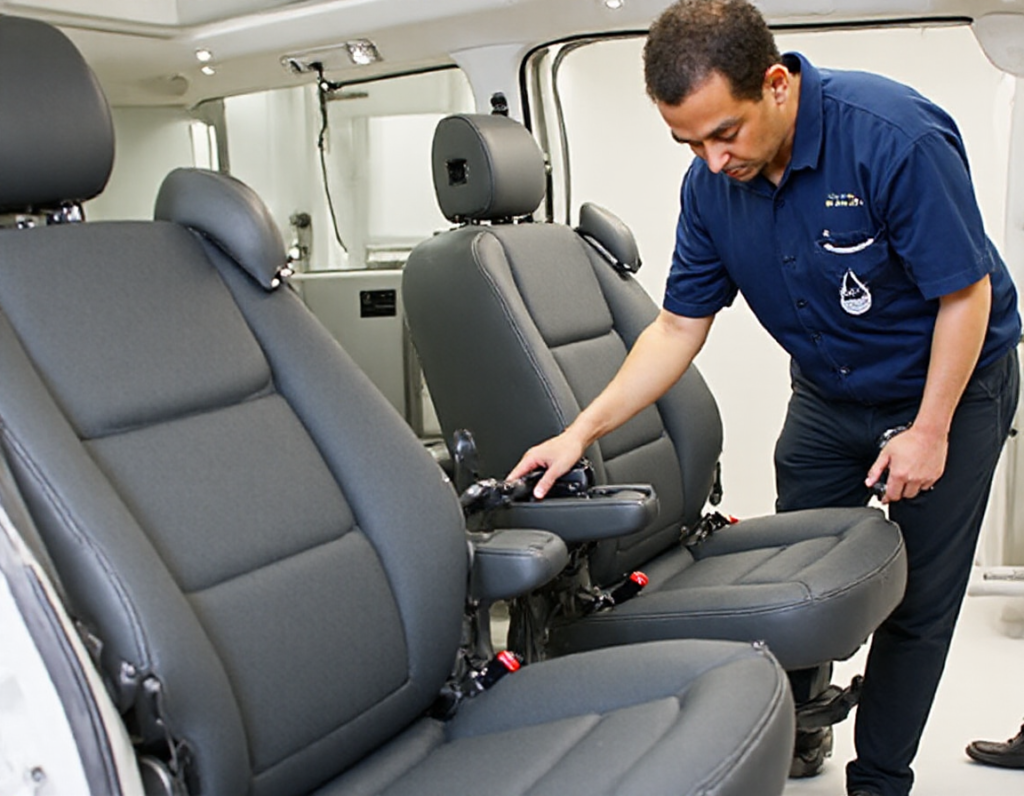
Finding a reliable upholstery cleaner involves a bit of research. Start by asking for recommendations from friends or family members who have had positive experiences with professional upholstery cleaning services. Online reviews and ratings can also provide insights into the reputation and quality of different companies.
When selecting a service, check for certifications and affiliations with professional organizations, which can indicate a commitment to industry standards and best practices for upholstery cleaning. Ensure that the company uses modern, well-maintained equipment and offers transparent pricing with no hidden fees. It’s also helpful to inquire about their specific experience with car upholstery, as different materials may require specialized care.
Before committing, request a detailed quote and ask about their cleaning process to ensure it aligns with your needs. Some companies offer free estimates or consultations, which can help you make an informed decision.
By understanding when to seek professional help and knowing what to expect, you can ensure that your car upholstery receives the expert care it needs to look and feel its best. Whether dealing with stubborn stains or seeking a deep clean, professional services offer a valuable solution for maintaining your vehicle’s interior.
Top Product Recommendations for Upholstery Care
Best Upholstery Cleaners: Reviews and Recommendations
When it comes to choosing the best upholstery cleaners, a few standout products consistently receive high praise for their effectiveness and ease of use. One top contender is Folex Instant Carpet Spot Remover. Renowned for its versatility, Folex tackles everything from food and beverage spills to pet accidents with impressive results. Its non-toxic formula is safe for various upholstery types, making it a reliable choice for any car interior. It’s one of the top choices among cleaning products for car seats.
For a more specialized approach, consider Chemical Guys Fabric Clean. This cleaner is designed specifically for automotive fabrics and boasts a powerful yet gentle formula that lifts dirt and stains without causing damage. It’s an excellent option for those who want a product tailored to the unique demands of car upholstery care.
Another exceptional cleaner is Bissell Professional Pet Urine Eliminator. Ideal for households with pets, this product not only cleans but also neutralizes odors at the source. It’s particularly effective for tackling stubborn stains and lingering smells, providing a thorough clean and fresh scent.
Top Tools and Gadgets for Easy Upholstery Cleaning
When it comes to tools, the Shark Rocket Corded Hand Vac is a game-changer. Its powerful suction and compact design make it perfect for reaching tight spots and removing embedded dirt from upholstery. The various attachments, including the upholstery tool, add versatility to your car detailing routine.
Another must-have is the Bissell SpotClean ProHeat Portable Spot Cleaner. This gadget combines powerful suction with a heating function that helps to dissolve and lift stains more effectively. Its compact size makes it ideal for spot cleaning, and the included brush attachments ensure a deep clean.
For those who prefer a more hands-on approach, the Harris Professional Grade Cleaning Brush is highly recommended. With its sturdy bristles and ergonomic handle, it’s excellent for scrubbing away tough stains and ensuring that your upholstery gets a thorough clean.
Where to Buy: Affiliate Links to the Best Deals
Disclaimer: This article contains affiliate links. If you purchase an item through the link I will earn a small commission at no extra cost to you.
- RECOMMENDED
- quality vacuum cleaner.
- detailing brushes
- stiff-bristled brush
- steam cleaner
- microfiber cloths
- Chemical Guys Foaming Citrus Fabric Clean
- Leather Honey Cleaner
- Leather Honey Conditioner
- Nature’s Miracle
- Meguiar’s Quik Interior Detailer
- Meguiar’s Carpet & Upholstery Cleaner
- fabric protector
- commercial adhesive remover
- seat covers
- Scotchgard
- activated charcoal bags
By investing in these recommended cleaners and tools, you’ll ensure that your car upholstery remains in top condition, handling any stains and spills with ease. With the right car care products in your arsenal, maintaining a pristine car interior becomes a straightforward task.
Frequently Asked Questions About Cleaning Car Upholstery

Can I Use Household Cleaners on My Car Upholstery?
Using household cleaners on car upholstery might seem like a convenient option, but it’s essential to proceed with caution. Many household products contain chemicals that can damage or discolor car fabrics. For instance, standard all-purpose cleaners often have strong solvents or bleaches that could strip the color from upholstery or harm the delicate fabric.
Instead, opt for car interior cleaning products specifically designed for automotive use. These products are formulated to address the unique challenges of fabric upholstery care and leather seat cleaning without causing harm. They are pH-balanced and less likely to leave residue, ensuring that your car’s interior stays looking fresh and vibrant. Always check the label to make sure the cleaner is compatible with your upholstery type—fabric, leather, or synthetic.
How Often Should I Clean My Car Seats?
The frequency of cleaning your car seats depends on various factors, including usage, climate, and personal habits. For most car owners, a thorough cleaning every six to twelve months is a good rule of thumb. However, if you frequently eat or drink in your vehicle, have pets, or live in an area with high dust levels, more frequent cleanings may be necessary.
Regular maintenance, such as vacuuming your seats weekly, can help prevent dirt buildup and extend the time between deep cleanings. Spot-cleaning any spills or stains as soon as they occur will also reduce the need for extensive treatments later. A proactive approach to auto interior upkeep ensures that your car seats remain in excellent condition and preserves their longevity.
What’s the Best Way to Remove Odors from Car Upholstery?
Eliminating odors from car upholstery requires a targeted approach. For persistent smells, baking soda is a highly effective and natural solution. Sprinkle baking soda generously over the upholstery, let it sit for several hours or overnight, and then vacuum it up. Baking soda neutralizes odors and absorbs moisture, leaving your car smelling fresh.
For more challenging odors, such as those from smoke or mildew, an enzyme cleaner can be particularly effective. These cleaners break down organic matter that causes smells, making them ideal for tackling stubborn odors. Spray the enzyme cleaner on the affected areas, let it sit for the recommended time, and then blot with a clean cloth.
Additionally, consider using an air purifier or odor-neutralizing spray designed for automotive interiors. These products help to freshen the air and eliminate residual smells, ensuring a pleasant driving experience. Regularly airing out your car and keeping it clean will also help prevent odors from becoming a recurring issue. Implementing these car interior stain removal techniques can greatly enhance the freshness of your vehicle.
By addressing these common concerns with the right upholstery cleaning techniques and products, you can maintain a clean, fresh-smelling car interior that enhances your driving experience.
Conclusion

Recap: The Best Methods to Keep Your Upholstery Spotless
In our journey through maintaining pristine car upholstery, we’ve uncovered a treasure trove of tips and techniques. From understanding the unique needs of different materials—be it fabric, leather, or synthetic—to deploying the right car detailing products and methods, keeping your car’s interior spotless has never been more manageable.
Start by selecting appropriate cleaners that cater specifically to your upholstery type. For fabric, a meticulous cleaning process with the right detergent and scrubbing techniques will help eradicate stains. Leather demands a gentler touch with specialized products to ensure its longevity and luster. Synthetic materials, while durable, require specific care to maintain their appearance and functionality.
Don’t overlook pre-cleaning prep, including vacuuming and spot testing, which sets the stage for effective cleaning. When dealing with stubborn spills or odors, leveraging enzymatic cleaners and steam methods can work wonders. Finally, routine maintenance and protective measures, such as seat covers and fabric protectors, will keep your car looking fresh and new. Incorporate these best practices for upholstery cleaning into your car maintenance routine to maintain a high level of cleanliness.
Final Thoughts: Making Upholstery Care a Routine
Incorporating these upholstery care practices into your regular vehicle maintenance routine will not only enhance the appearance of your car but also extend the life of your interior. Treating stains promptly, regularly vacuuming, and conditioning leather seats will keep your upholstery in top-notch condition.
By adopting a consistent approach to cleaning and auto cleaning solutions, you’ll find that maintaining a clean car interior becomes second nature. It’s not just about the aesthetics; it’s about preserving the value of your vehicle and ensuring every ride is a pleasure.
Start Cleaning Today with the Right Products
Ready to give your car’s interior the care it deserves? Don’t wait for the next spill or stain—take action now! Explore our top product recommendations for upholstery care and equip yourself with the best tools and cleaners available. Click through our affiliate links to find the best deals on high-quality cleaning products and make your car’s interior look as good as new.
Transform your vehicle’s upholstery from dull and stained to spotless and vibrant. Start today and experience the satisfaction of a clean and inviting car interior with the right car detailing services and products.
Pingback: Step-by-Step Guide: Restoring Faded Plastic Bumper Trim on Any Car | Deep Cleaning 101