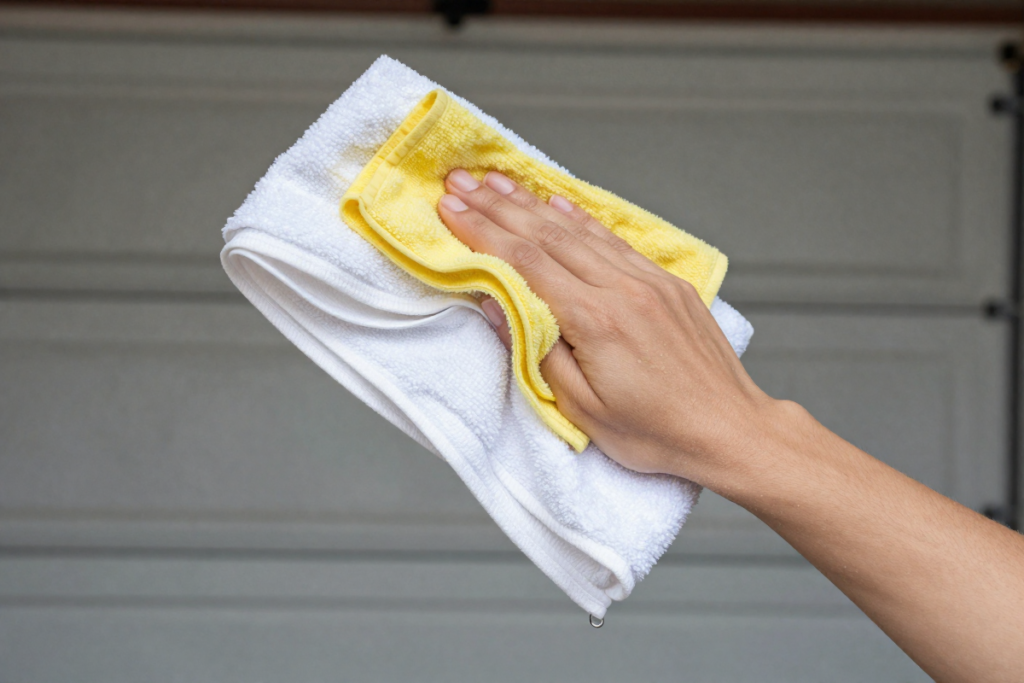
You just grabbed a roll of paper towels, spritzed some all-purpose cleaner on your windshield, and gave it a good wipe — only to step back and find it looks worse than before. Sound familiar? Achieving truly streak-free car windows is one of those deceptively simple tasks that trips up even the most detail-oriented car owners. The truth is, clean windows are not just about appearances. They directly impact your visibility, your safety on the road, and the overall look of your vehicle.
Most people make the same mistakes: using the wrong cloth, spraying too much product, or cleaning in direct sunlight. The result? Smears, streaks, and a hazy windshield that scatters light at the worst possible moments.
This guide covers every car window cleaning tool you actually need — from the essentials that belong in every car owner’s kit to the advanced auto glass cleaning tools that professional detailers rely on. Whether you are a beginner building your first car glass cleaning kit or an enthusiast looking to upgrade, this is your complete resource.
Why Using the Right Tools Matters
Here is something most car owners do not realize: automotive glass is not the same as household glass. Car windows accumulate road grime, exhaust residue, off-gassing from interior plastics, and environmental contaminants that ordinary household cleaners are not designed to handle.
Using the wrong tools creates real problems:
Scratches from abrasive cloths or paper towels
Streaks from low-quality microfiber or improper technique
Chemical residue from ammonia-based cleaners that damage window tint film
Smearing caused by dirty or overused towels redistributing oils and grime
The right automotive glass cleaning supplies not only make the job easier — they protect your investment. A quality set of windshield cleaning tools costs far less over time than dealing with scratched glass or a damaged tint job. Think of it as buying the right tool once versus fixing the problem repeatedly.
Essential Car Window Cleaning Tools
1. Microfiber Glass Cleaning Towels
If there is one tool that makes the biggest difference in streak-free auto glass cleaning, it is a high-quality microfiber towel. Unlike paper towels, which leave lint and can scratch glass with their wood pulp fibers, microfiber glass towels use ultra-fine synthetic fibers that trap and lift dirt without scratching.
Waffle weave vs. flat weave: Waffle weave microfiber towels are excellent for buffing and final polishing because their textured pattern grabs residue more effectively. Flat weave towels work better for the initial wipe-down. Many professional detailers use both — one for applying cleaner and one for buffing dry.
How to use them properly: Always fold your towel into quarters. This gives you multiple clean surfaces to work with and prevents you from spreading dirt back onto the glass. Never use a microfiber towel that has been washed with fabric softener, as it clogs the fibers and dramatically reduces effectiveness.
Not all glass cleaners are created equal, and this is especially true for cars. The most important feature to look for is an ammonia-free, tint-safe formula. Ammonia-based cleaners — including many popular household brands — can degrade window tint film over time, cause rubber seals to dry out and crack, and leave a hazy residue on interior glass.
Spray vs. foam: Spray cleaners work well for exterior windows where overspray is less of a concern. Foam formulas are ideal for interior glass because they cling to the surface rather than running down onto your dashboard or upholstery.
When to use dedicated vs. multi-purpose cleaners: A dedicated automotive glass cleaner is always the better choice for your windshield and windows. Multi-purpose cleaners may leave surfactant residue that causes streaking, particularly on interior glass where off-gassing from plastics has already created a filmy buildup.
Ask any detailer what the most frustrating part of car window cleaning is, and they will tell you: the bottom interior edge of the windshield. It is nearly impossible to reach with a standard towel, especially in sedans and sports cars where the dashboard sits close to the glass.
A windshield cleaning wand solves this problem completely. These tools feature a pivoting or triangular head with a replaceable microfiber pad and an ergonomic handle that gives you the leverage to reach every corner of the interior windshield. For SUV and truck owners, a long-handle windshield cleaner tool is practically essential.
Look for models with:
A pivoting head that adjusts to the angle of the glass
Professional detailers rely on squeegees for exterior glass for a simple reason: they remove water and cleaner in a single, controlled pass with zero lint and minimal streaking. A good rubber blade squeegee gives you far more control than wiping with a towel alone.
Best types for car detailing: Smaller blades in the 6 to 10 inch range are ideal for car windows, giving you the maneuverability to work around mirrors and curved glass. Look for a natural or synthetic rubber blade that will not scratch the glass surface.
Proper technique: Work in overlapping strokes from top to bottom on side windows and in a single horizontal pass across the windshield. Wipe the blade clean with a dry microfiber towel between each stroke to prevent redepositing dirty water.
Here is a step most car owners skip entirely — and it is the reason their windows keep streaking. The rubber seals around your windows accumulate dirt, dust, and grime that gets wiped right back onto the glass every time you roll a window up or down. Cleaning the seals and tight corners is just as important as cleaning the glass itself.
A soft-bristle detailing brush lets you agitate dirt out of those tight gaps without damaging the rubber. Boar’s hair detail brushes are particularly gentle and effective. Keep a firm-bristle option on hand for more stubborn buildup in door jambs and window tracks.
If you mix your own glass cleaning solutions, investing in a quality spray bottle is worth it. Cheap spray bottles clog, drip, and produce inconsistent mist patterns that lead to uneven application and — you guessed it — streaks.
Look for bottles with:
Adjustable nozzles that switch between fine mist and focused stream
Chemical-resistant construction for use with alcohol-based solutions
A comfortable trigger with a low-fatigue design for repeated use
Once you have mastered the basics, these advanced car window cleaning tools can take your results to the professional level.
Clay Bar for Glass Decontamination: A clay bar is not just for paint. Used with a clay lubricant, it removes bonded contaminants from glass surfaces — things like tree sap, tar, industrial fallout, and road overspray — that regular cleaners cannot touch. After clay bar treatment, your glass will feel noticeably smoother and cleaner. Use it two to four times per year or whenever your glass feels rough to the touch.
Water Spot Removers: Hard water spots are caused by mineral deposits left behind when water evaporates from the glass. Standard glass cleaners often cannot remove them. A dedicated water spot remover uses mild acidic compounds to dissolve these deposits safely. Always follow product directions carefully to avoid damaging glass coatings.
Glass Polishing Compounds: Fine scratches and persistent haze on your windshield can be addressed with an automotive glass polishing compound applied with a foam pad or polishing applicator. This is not an everyday step — reserve it for glass that has visible surface marring or stubborn film that will not respond to cleaning alone.
Portable Vacuum for Window Edges: A quick pass with a portable vacuum along window seals and tracks before you start cleaning removes loose dust and debris that would otherwise smear across your glass. This one simple pre-cleaning step eliminates a surprising amount of potential streaking.
DIY vs. Store-Bought Cleaning Solutions
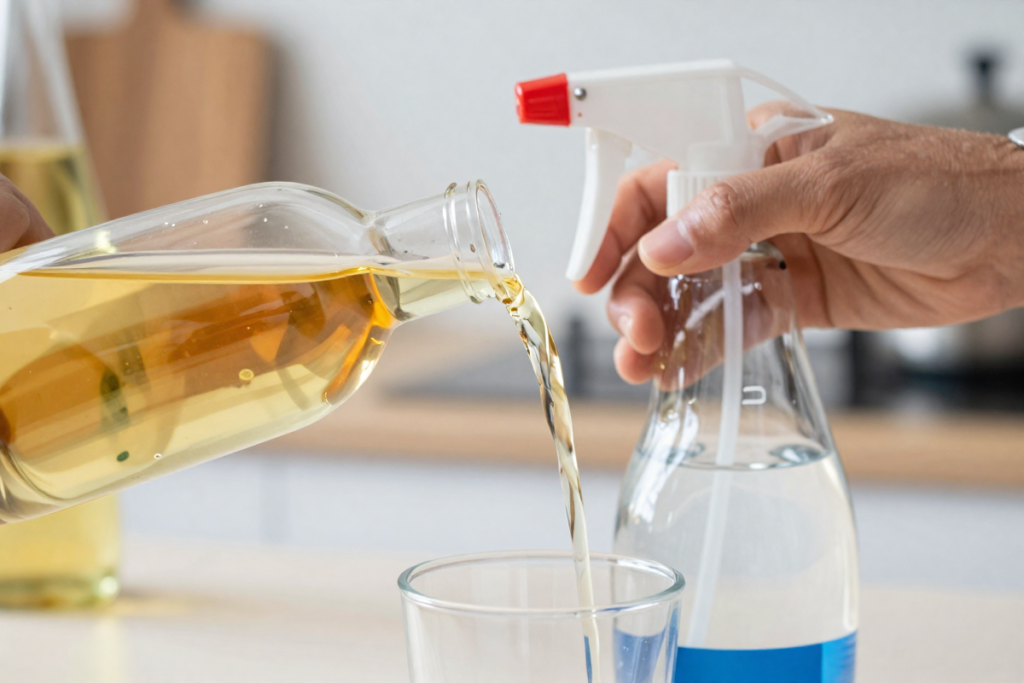
A simple and effective homemade car window cleaner can be made with:
1 cup distilled water
1 cup isopropyl alcohol (70% or higher)
1 tablespoon white vinegar
Mix in a quality spray bottle and you have a streak-free glass cleaner for pennies per use. Distilled water is key — tap water contains minerals that leave spots.
Pros of DIY: Extremely cost-effective, no ammonia, customizable. Cons of DIY: Requires measuring and mixing, shorter shelf life, may not tackle heavy contamination as well as commercial formulas.
For heavily soiled glass, bug splatter removal, or water spot treatment, a commercial automotive glass cleaner is usually the better choice. The cost difference is minimal when you consider the improved results.
Step 1 — Pre-clean: Use a portable vacuum and detailing brush to remove dust, debris, and dirt from window seals and edges. Roll windows down slightly to clean the very top edge of the glass.
Step 2 — Apply cleaner: Spray your automotive glass cleaner directly onto the microfiber towel, not the glass. This prevents overspray on interior surfaces and gives you more control over product distribution.
Step 3 — Wipe with the correct pattern: Use horizontal strokes on interior glass and vertical strokes on exterior glass. This way, if you spot streaks, you can immediately tell which side they are on.
Step 4 — Buff with a dry microfiber towel: Using a clean, dry flat weave microfiber towel, buff the glass in circular motions until completely clear.
Step 5 — Final inspection: Check your work by looking at the glass from multiple angles, including from inside the car with sunlight hitting the windshield directly. This reveals any remaining streaks or haze.
Common Mistakes to Avoid
Cleaning in direct sunlight: Heat causes cleaner to evaporate before you can wipe it, leaving residue and streaks behind. Always work in the shade.
Using too much product: More is not better with glass cleaner. A light, even application is all you need.
Reusing dirty towels: A contaminated microfiber towel does more harm than good. Use fresh towels for each cleaning session.
Ignoring interior glass haze: That filmy buildup on the inside of your windshield is caused by off-gassing from plastics and vinyl. It needs dedicated attention with a quality interior glass cleaner.
Using household cleaners with ammonia: Windex and similar products can damage tint film and degrade rubber seals over time. Always use an automotive-specific, ammonia-free formula on your car.
Pro Tips for Streak-Free Results
Use the two-towel method: One damp towel to clean, one dry towel to buff. This is the single most effective technique for streak-free results.
Roll windows down slightly: This lets you clean the top edge of the glass that is normally hidden by the door frame.
Clean interior and exterior separately: Alternate your stroke direction (horizontal interior, vertical exterior) so you can pinpoint which side any remaining streaks are on.
Replace your towels regularly: Even the best microfiber towels lose effectiveness after heavy use. Wash them without fabric softener and replace them when they no longer feel soft and absorbent.
How Often Should You Clean Car Windows?
For daily drivers, a thorough interior and exterior window cleaning every two to four weeks is ideal. However, several factors can shorten that interval:
Winter: Road salt, de-icing spray, and reduced visibility make frequent cleaning a safety necessity
Spring/Fall: Tree sap and pollen accumulate quickly and can bond to glass if left too long
High-traffic driving: Bug splatter and road grime build up faster on highway-heavy routes
Signs your windows need cleaning: Increased glare from oncoming headlights, visible film on the interior windshield, or water that sheets rather than beading on exterior glass are all clear indicators.
Budget vs. Premium Tools: What Is Worth It?
Where to save money: Spray bottles, detailing brushes, and DIY cleaning solutions offer great performance at low cost. There is no need to spend premium prices here.
Where investing pays off: Microfiber towels and automotive glass cleaner are worth spending a little more on. Cheap microfiber leaves lint and may scratch. Low-quality cleaners often contain fillers that cause streaking.
Long-term value: A premium windshield cleaning wand, a quality squeegee, and a set of professional-grade microfiber glass towels will last years with proper care and deliver noticeably better results every single time.
What is the best cloth for cleaning car windows? A waffle weave or flat weave microfiber glass towel is the best option for cleaning car windows. They are lint-free, scratch-free, and far more effective than paper towels or cotton rags.
Can I use Windex on car windows? It is not recommended. Standard Windex contains ammonia, which can damage window tint film and degrade rubber seals over time. Always use an ammonia-free automotive glass cleaner on your car.
Why do my windows still look streaky after cleaning? Streaks are usually caused by using too much product, cleaning in direct sunlight, using a dirty towel, or not buffing with a dry second towel. Try the two-towel method in a shaded area with a quality automotive glass cleaner.
How do I clean the inside of my windshield? Use a windshield cleaning wand to reach the lower corners and center of the glass. Apply cleaner to the wand’s microfiber pad rather than spraying directly on the glass. Use horizontal strokes and follow with a dry microfiber buff.
What is the best way to remove water spots from car glass? A dedicated water spot remover product is the most effective solution for mineral deposits on automotive glass. For light spots, a mixture of white vinegar and distilled water can work. Avoid scrubbing aggressively, as this can scratch the glass.
Conclusion
Achieving professional-quality, streak-free car windows at home is absolutely within reach — you just need the right tools and the right technique. At a minimum, every car owner should have a set of quality microfiber glass towels, an ammonia-free automotive glass cleaner, and a windshield cleaning wand for those hard-to-reach interior areas.
From there, adding a squeegee, detailing brushes, and a clay bar will take your results from good to genuinely impressive. The tools do not have to be expensive — they just have to be the right ones.
Start with a basic car glass cleaning kit and build from there. Your windows — and your visibility on the road — will thank you.
Disclaimer: This article contains affiliate links. If you purchase an item through the link I will earn a small commission at no extra cost to you.
If you’ve ever pulled out of your driveway only to realize your windshield looks like a foggy mess — streaky, hazy, and covered in water spots — you already know how frustrating dirty car glass can be. Beyond the obvious aesthetic issues, dirty auto glass is a genuine safety hazard. Reduced visibility from a hazy windshield or smudged side windows can make driving significantly more dangerous, especially at night or in bright sunlight.
The good news? You don’t need to pay for a professional detail to get crystal-clear car windows. With the right tools, a few simple DIY car glass cleaner recipes, and the proper technique, you can make your car glass shine like new — and keep it that way.
In this complete guide, we’ll walk you through everything you need to know: why glass gets dirty, how to clean car windows like a pro, the best homemade solutions, how to tackle stubborn stains and haze, and how to protect your glass for a long-lasting streak-free shine.
Why Car Glass Gets Dirty and Dull
Before you can fix the problem, it helps to understand what you’re actually dealing with. Car glass collects grime from multiple sources — both outside and inside your vehicle.
Environmental factors are the most obvious culprits. Dust, pollen, bird droppings, road grime, and rain all leave residue on your exterior glass. Rain is particularly deceptive — it may look like it’s rinsing your windows, but as it evaporates, it leaves behind mineral deposits and dissolved pollutants that create that cloudy, spotted look.
Interior causes are often overlooked. The plastic and vinyl components of your dashboard constantly off-gas chemicals (especially in newer vehicles or on hot days), and this creates a greasy film that clings to the inside of your windshield. Add fingerprints, breath moisture, and — if you smoke — cigarette residue, and you’ve got a recipe for a persistently hazy interior windshield.
Hard water stains and mineral deposits form when tap water dries on your glass, leaving behind calcium and magnesium deposits. These can be surprisingly stubborn and won’t budge with regular cleaning alone.
Wiper blade residue is another common issue. Old or dirty wiper blades smear a mix of rubber degradation and accumulated grime across your windshield every time it rains — often making the glass worse rather than better.
Tools and Supplies You’ll Need
Getting great results starts with having the right supplies on hand. Here’s what professional detailers use — and what you should have ready before you start.
Microfiber Towels — These are non-negotiable. Glass-specific microfiber towels are woven more tightly than general-purpose ones, which means less lint and fewer streaks. Keep several on hand so you always have a clean one ready.
Rain Repellent / Hydrophobic Coating — Applied after cleaning, these products cause water to bead and roll off your windshield, dramatically improving visibility in rain.
Always park in the shade before cleaning your glass. Direct sunlight causes your cleaner to evaporate too quickly, leaving streaks behind before you can wipe them away. Allow the glass to cool completely, then use a dry microfiber towel or soft brush to remove any loose dust or debris — this prevents scratching during the wet cleaning stage.
Step 2: Clean Exterior Glass
Initial rinse — If possible, rinse exterior glass with water to remove surface dust and loose debris.
Apply your cleaner — Spray your automotive glass cleaner or DIY solution directly onto the glass (never onto the towel first for heavily soiled glass).
Wipe using the two-direction method — Use horizontal strokes on one pass, then vertical strokes on the next. This cross-pattern technique makes it easy to identify which side a streak is on.
Buff dry — Immediately follow with a clean, dry microfiber towel using light, overlapping strokes until the glass is completely clear.
Step 3: Clean Interior Glass
Interior glass is trickier for two reasons: the curved angle of the windshield makes it hard to reach, and too much liquid can drip onto your dashboard or seating.
Use minimal product — spray onto your microfiber towel rather than directly onto the glass.
For the windshield, reach across using a long-handled applicator tool or simply work in sections.
Use the same vertical/horizontal technique to ensure complete, streak-free coverage.
Finish with a dry microfiber towel buff for a spotless, haze-free result.
These homemade solutions cost next to nothing and perform remarkably well — often rivaling store-bought options.
Recipe 1: Classic Vinegar + Distilled Water Mix
1 part white distilled vinegar
1 part distilled water
Best for: Everyday cleaning, water spots, and light mineral buildup. Mix in a spray bottle and apply as you would any glass cleaner.
Recipe 2: Alcohol-Based Quick Cleaner
70% isopropyl alcohol (used as-is)
Best for: Cutting through greasy film on interior glass, especially that oily windshield haze. Fast-drying and highly effective.
Recipe 3: Streak-Free Premium Mix
1 cup distilled water
½ cup white vinegar
¼ cup isopropyl alcohol (70%+)
Best for: The most thorough DIY clean — this is the formula that gets closest to professional results. The alcohol helps it dry quickly, the vinegar dissolves mineral deposits and grease, and the distilled water ensures no new mineral streaks are introduced.
DIY vs. Store-Bought: Homemade solutions are excellent for regular maintenance and light to moderate buildup. For heavily contaminated glass, stubborn water spots, or etched contaminants, a commercial automotive glass cleaner or glass polish may provide better results with less effort.
How to Remove Stubborn Stains and Hazing
Water Spots and Hard Water Stains
Water spots are caused by mineral deposits left behind when water evaporates. For light spots, the vinegar-based DIY solution often does the trick — spray, let it sit for 60 seconds, then wipe. For stubborn or older deposits, apply undiluted white vinegar and let it soak for 2–3 minutes before wiping.
If vinegar alone doesn’t work, a dedicated glass polish with mild abrasives can safely remove mineral etching without scratching the glass.
That greasy film on the inside of your windshield is a combination of off-gassing chemicals and airborne interior residue. Use isopropyl alcohol on a microfiber towel and make multiple passes — the first pass lifts the bulk of the film, and subsequent passes remove what’s left behind.
Tree Sap and Bug Residue
For tree sap, apply a small amount of isopropyl alcohol or a dedicated bug and tar remover directly to the spot. Let it sit for 30–60 seconds to soften the residue, then gently wipe away. Never scrub aggressively — use light pressure to avoid scratching the glass.
If your wiper blades are leaving streaks, the problem is often dirty blades, not dirty glass. Wipe the rubber edge of each blade with isopropyl alcohol on a cloth to remove built-up grime. If streaking continues after cleaning, it’s time to replace the blades.
Pro Tips for a Streak-Free Shine
These are the details that separate a DIY result from a professional-level finish:
Use the two-towel method — one damp towel for cleaning, one dry towel for buffing
Clean in different directions inside vs. outside — horizontal inside, vertical outside (or vice versa) so you can quickly identify which surface has streaks
Never use paper towels — they leave lint and can scratch glass over time
Replace your towels frequently during a cleaning session — a saturated or dirty towel just redistributes grime
Always use distilled water in DIY recipes to prevent introducing new mineral deposits
Deep Cleaning for Perfect Clarity
When standard cleaning leaves your glass still looking hazy, it’s time for a deeper approach.
Clay Bar Treatment — A clay bar gently pulls bonded contaminants — industrial fallout, road tar, embedded mineral deposits — from the surface of the glass. Lubricate the glass first with a clay lubricant or your diluted glass cleaner, then glide the clay bar across the surface using light, overlapping strokes. The difference in how smooth the glass feels afterward is remarkable.
Glass Polishing — For etched contaminants, light oxidation, or fine scratches, a glass polishing compound with a foam applicator pad can restore clarity that cleaning alone won’t achieve. This is the same step professional detailers use to make old car glass look new again.
Deep cleaning is typically only needed every 6–12 months, or when you notice persistent haze that doesn’t respond to regular cleaning.
Protecting Your Car Glass After Cleaning
Once your glass is clean, protect your investment with a rain repellent or hydrophobic coating.
How hydrophobic coatings work: These products bond to the glass surface and cause water to bead up and roll off rather than spreading into a sheet. This dramatically improves rainy-day visibility and keeps glass cleaner for longer between washes.
How to apply:
Ensure glass is completely clean and dry
Apply the product to a folded applicator pad using small, overlapping circular motions
Re-apply every 3–6 months, or when you notice water is no longer beading as effectively.
Common Mistakes to Avoid
Even well-intentioned cleaning efforts can go wrong. Here’s what to watch out for:
Cleaning in direct sunlight — Product evaporates too fast and leaves streaks
Using household glass cleaners with ammonia — Ammonia can damage window tint and degrade rubber seals over time
Overusing product — More isn’t better; excess cleaner is harder to buff out and increases streak risk
Using dirty towels — Reusing a dirty microfiber towel redistributes the grime you just removed
Ignoring interior glass — The inside of your windshield builds up film just as fast as the outside; clean both every time
How Often Should You Clean Car Glass?
Weekly or bi-weekly: Light exterior wipe-down, especially if you park outdoors or in areas with heavy pollen or dust.
Monthly: Full interior and exterior glass cleaning with a complete cleaning routine.
Seasonally: Deep cleaning with clay bar treatment and fresh application of hydrophobic coating — particularly important at the start of rainy season or after winter road salt exposure.
Signs your glass needs immediate attention: Visible haze that doesn’t improve with wipers, water spots that won’t wipe away, difficulty seeing at night due to light scattering, or a persistent greasy film on your interior windshield.
What is the best homemade car glass cleaner? The best all-around DIY formula combines 1 cup distilled water, ½ cup white vinegar, and ¼ cup isopropyl alcohol. The vinegar cuts through grease and mineral buildup, the alcohol speeds drying to prevent streaks, and the distilled water ensures no new mineral deposits are introduced.
Why does my car glass look streaky after cleaning? Streaks are usually caused by one of three things: cleaning in direct sunlight (product dries too fast), using a dirty or low-quality cloth, or using too much product. Switch to glass-specific microfiber towels, clean in the shade, and use less solution than you think you need.
Can I use household glass cleaner (like Windex) on my car? Standard Windex contains ammonia, which can damage window tint films and degrade rubber window seals over time. Always use an ammonia-free automotive glass cleaner on your vehicle — there are ammonia-free versions of popular brands, or you can use the DIY recipes in this guide.
How do I remove the hazy film from the inside of my windshield? Interior windshield haze is caused by off-gassing from dashboard plastics. The most effective solution is isopropyl alcohol applied with a clean microfiber towel — make two or three passes until the glass is completely clear, then finish with the distilled water and vinegar mix for a final polish.
What’s the best way to clean car windows without streaks? Use the two-towel method: one lightly dampened microfiber towel to clean, and one dry microfiber towel to immediately buff dry. Work in the shade, use the vertical/horizontal technique, and avoid over-applying your cleaner. Distilled water in your solution also makes a noticeable difference.
Conclusion
Learning how to make car glass shine isn’t complicated — it just takes the right approach. By understanding what causes buildup, using quality microfiber towels, choosing the right cleaner (homemade or store-bought), and following a consistent routine, you can achieve streak-free, crystal-clear car windows every time.
The DIY recipes in this guide are affordable, effective, and safe for all types of auto glass — including tinted windows when you stick to ammonia-free solutions. And once you’ve put in the effort to get that perfect clarity, protecting your glass with a hydrophobic coating means you’ll be doing it less often.
Start with the basics, work your way up to a clay bar treatment if needed, and commit to a regular maintenance schedule. Your visibility — and your car’s curb appeal — will thank you.
👉 Ready to get started? Check out the recommended products above and grab the supplies you need for a professional-level shine at home.
Disclaimer: This article contains affiliate links. If you purchase an item through the link I will earn a small commission at no extra cost to you.
There’s nothing more frustrating than climbing into your car on a sunny morning only to be greeted by streaky, smudged windows that obstruct your view and make your vehicle look neglected. Clean car windows aren’t just about aesthetics—they’re essential for safe driving, especially when sunlight hits at just the wrong angle or during nighttime driving when oncoming headlights create glare on dirty glass.
The good news? You don’t need to spend a fortune at professional detailing shops to achieve crystal-clear, streak-free windows with that professional sparkle. Whether you’re a DIY enthusiast who loves mixing your own cleaning solutions or someone who prefers the convenience of grabbing a proven product off the shelf, this comprehensive guide has you covered.
In this article, we’ll explore both approaches to car window cleaning: homemade DIY cleaners that cost pennies per batch and high-quality commercial products that deliver professional results with minimal effort. You’ll learn exactly when each option makes the most sense, discover foolproof recipes you can make at home, and find out which ready-made products actually live up to their promises. By the end, you’ll have everything you need to keep your car windows sparkling year-round, regardless of which approach fits your lifestyle and budget.
DIY vs Store-Bought Car Window Cleaners: Which Is Better?
Before we dive into recipes and product recommendations, let’s settle the fundamental question: should you make your own car window cleaner or buy a commercial product? The answer isn’t one-size-fits-all—it depends on your specific situation, priorities, and the condition of your windows.
When DIY Makes Sense
Homemade car window cleaners shine in several scenarios. If you’re budget-conscious, DIY solutions are unbeatable—you can make a full bottle of effective cleaner for less than a dollar using ingredients you probably already have in your pantry. For environmentally conscious drivers, mixing your own cleaner means controlling exactly what goes into it, avoiding harsh chemicals and excess packaging.
DIY cleaners are also perfect for light cleaning jobs and routine maintenance. If your windows just need a quick refresh to remove fingerprints, light dust, or minor smudges, a simple homemade window cleaner works beautifully. Additionally, if you enjoy the satisfaction of creating effective products from scratch and don’t mind spending a few extra minutes mixing ingredients, the DIY route can be genuinely rewarding.
When Commercial Products Are Better
The best car window cleaner products truly earn their place when you’re dealing with challenging cleaning situations. Heavy grime, nicotine film, tree sap, bug splatter, road film buildup, or the stubborn residue that accumulates over winter months often requires the specialized formulations found in commercial products. These cleaners contain surfactants and solvents specifically engineered to break down tough contaminants that homemade mixtures struggle with.
Commercial products also save significant time and eliminate trial-and-error. Instead of experimenting with ingredient ratios or dealing with inconsistent results, quality store-bought glass cleaners deliver predictable, professional-level performance every single time. For car enthusiasts who want that showroom finish or professionals who detail cars regularly, the convenience and reliability of commercial products justify the higher cost.
Quick Verdict
The smartest approach for most car owners is actually a hybrid strategy. Use DIY cleaners for weekly or bi-weekly maintenance cleaning to keep windows fresh between deep cleans, then turn to commercial products when you need to tackle serious buildup or want that extra-impressive streak-free finish before a special occasion. This combination gives you the cost-effectiveness of homemade solutions while ensuring you have the heavy-duty power of professional products when you really need them.
Key Ingredients for DIY Car Window Cleaner
Creating effective homemade car glass cleaner doesn’t require a chemistry degree or exotic ingredients. In fact, you probably have everything you need already sitting in your kitchen or bathroom cabinets. Understanding these core ingredients and their chemical functions will help you achieve professional-grade sparkle at home.
Distilled Water forms the mineral-free base of virtually every homemade window cleaner recipe. Why distilled instead of tap water? Tap water contains minerals like calcium and magnesium that can leave deposits and hard water spots on glass, especially in hard water areas. Distilled water eliminates this problem entirely, ensuring a truly streak-free finish. It’s inexpensive and available at any grocery store.
White Vinegar is the MVP of DIY cleaning solutions. This mild acetic acid (typically 5% concentration) cuts through grease, dissolves mineral deposits, and leaves glass sparkling with crystal-clear clarity. The natural acid neutralizes alkaline deposits and provides excellent cleaning power for decalcification. The smell dissipates quickly as it dries, and it’s completely safe for use around children and pets. Use regular white vinegar with 5% acidity—nothing fancy required.
Isopropyl Alcohol(rubbing alcohol) is the secret weapon for achieving streak-free car windows every time. This primary solvent offers high volatility—meaning it evaporates quickly through what’s called “flash-off,” preventing water spots and streaks while helping dissolve oils and stubborn grime. Look for 70% or 91% concentration, which you can find at any pharmacy or grocery store. The rapid evaporation is key to professional results.
Dish Soap adds cleaning power as a surfactant for tackling greasy residue and breaking surface tension, but use it sparingly—just a drop or two per recipe. Too much soap creates suds that are difficult to rinse and leave streaks behind. The surfactant action helps the cleaner “wet” the surface and encapsulate dirt particles. Choose a clear, gentle dish soap like Dawn without added moisturizers or fragrances.
Cornstarch (optional) acts as a mild abrasive that adds sparkle and helps prevent streaking by buffing away film. Just one tablespoon can transform your cleaner’s performance, creating that professional detailer-quality finish.
If you’d rather skip the measuring and mixing altogether, don’t worry—we’ll cover ready-made alternatives that deliver excellent results without any preparation. Keep reading to discover the top-rated commercial cleaners that thousands of car owners swear by.
Best DIY Car Window Cleaner Recipes
Ready to mix your own homemade car window cleaner? These proven recipes use different combinations of the ingredients we just discussed, each optimized for specific cleaning situations. These formulas deliver professional sparkle without the professional price tag.
Basic Vinegar Cleaner
This is the simplest, most economical recipe that works beautifully for regular maintenance cleaning and light grime removal.
Recipe:
1 cup distilled water
1 cup white vinegar
1 tablespoon cornstarch (optional, helps prevent streaking and adds sparkle)
Mix ingredients in a spray bottle and shake well before each use. The vinegar smell disappears as it dries. This formula effectively removes fingerprints, light dust, and everyday grime while costing just pennies per batch. It’s perfect for routine maintenance between deep cleaning sessions.
Alcohol-Based Streak-Free Cleaner
When you want absolutely zero streaks and that crystal-clear professional finish, this alcohol-heavy formula delivers exceptional results through rapid flash-off evaporation.
Recipe:
1 cup distilled water
1 cup isopropyl alcohol (70% or higher)
1 tablespoon white vinegar
The high alcohol content ensures rapid evaporation, leaving behind nothing but crystal-clear glass with professional sparkle. This recipe works exceptionally well in humid conditions where water-based cleaners tend to streak, and it’s ideal for achieving streak-free car windows every time.
Heavy-Duty Grime Remover
For windows with significant buildup from road film, bugs, tree sap, or stubborn outdoor grime, this boosted formula provides extra cleaning power with enhanced surfactant action.
Recipe:
2 cups distilled water
¼ cup white vinegar
½ cup isopropyl alcohol
2 drops dish soap (Dawn works best)
The addition of dish soap as a surfactant helps break down greasy, sticky residues and heavy-duty contaminants that other formulas struggle with. Remember to shake well before using, and buff thoroughly to prevent soap residue from causing streaks.
Tinted Window-Safe Cleaner
If your car has window tinting, avoid ammonia-based cleaners (which includes some commercial products). This gentle, ammonia-free formula is completely tint-safe and won’t damage window film.
Recipe:
2 cups distilled water
2 tablespoons white vinegar
2 tablespoons isopropyl alcohol
This milder mixture effectively cleans without risking damage to window film or factory tinting. Unlike ammonia, which can cause purpling or bubbling of tint film, this formula is gentle enough for regular use on tinted windows without any concerns about adhesive degradation.
Not interested in mixing these yourself? We completely understand—convenience matters, especially when you want guaranteed results without trial-and-error. Scroll down to the next section where we break down the top-rated ready-made alternatives that deliver consistent, professional results straight from the bottle with zero preparation time.
Best Commercial Car Window Cleaners
For those who want guaranteed results without the mixing, or when DIY solutions aren’t cutting through serious grime, these commercial car window cleaners represent the best options available today. Each has been chosen based on real-world performance, user reviews, and specific use cases for achieving that professional sparkle.
Best Overall Car Glass Cleaner: Invisible Glass Premium Glass Cleaner
Invisible Glass has earned its reputation as the gold standard for automotive glass cleaning. This ammonia-free formula delivers absolutely streak-free results even in challenging conditions like direct sunlight or high humidity, making it the best glass cleaner for cars in virtually any situation.
Key Benefits:
Professional-grade streak-free formula with rapid flash-off
No ammonia, making it completely safe for tinted windows
Repels water, dust, and fingerprints with hydrophobic properties
Available in aerosol and trigger spray formats
Creates crystal-clear clarity that rivals professional detailing
Who It’s For: Car enthusiasts who want the absolute best results, drivers with tinted windows, and anyone tired of fighting streaks with lesser products.
Why It Beats DIY: The proprietary formula contains advanced surfactants and solvents that DIY mixtures simply can’t replicate, making it significantly more effective on heavy buildup and delivering consistently perfect results without the trial-and-error of homemade solutions.
Don’t let the affordable price fool you—Stoner delivers impressive performance that rivals products costing twice as much, making it an excellent best car window cleaner for budget-conscious drivers.
Key Benefits:
Exceptional value for money with professional results
Ammonia-free and tint-safe formulation
Effective on light to moderate grime and road film
Readily available at most auto parts stores
Fast-drying for quick streak-free finish
Who It’s For: Budget-conscious drivers, those new to car detailing, or anyone who cleans their windows frequently and goes through cleaner quickly.
Why It Beats DIY: While similarly priced to the cost of making your own cleaner when factoring in ingredient purchases, Stoner eliminates the mixing step and delivers more consistent results with less effort.
Best for Streak-Free Finish: Sprayway Glass Cleaner
If streaks are your nemesis, Sprayway’s ammonia-based formula (for non-tinted windows) creates an incredibly clear, film-free finish that rivals professional detailing results with exceptional clarity.
Key Benefits:
Foaming action clings to vertical surfaces for better coverage
Cuts through heavy soil, grease, and nicotine film
Extremely fast-drying with high volatility
Leaves zero residue for perfect sparkle
Professional detailer favorite
Who It’s For: Drivers without tinted windows who want the clearest possible glass, those dealing with heavy nicotine film or greasy buildup from off-gassing, and perfectionists who notice every minor imperfection.
Why It Beats DIY: The foaming action provides better coverage and dwell time on vertical glass surfaces, while the commercial-grade solvents break down contaminants that homemade cleaners struggle with. Note: Contains ammonia—not suitable for tinted windows.
Best for Tinted Windows (Ammonia-Free): 303 Glass Cleaner and Repellent
Specifically formulated as a tint-safe glass cleaning solution, 303 not only cleans beautifully but adds a protective repellent coating that keeps windows cleaner longer.
Key Benefits:
100% ammonia-free and completely tint-safe
Adds a water-repellent hydrophobic coating
Reduces future buildup and road grime adhesion
UV protectants help preserve tint and prevent fading
Streak-free formula designed for automotive glass
Who It’s For: Anyone with window tinting (aftermarket or factory), drivers in rainy climates who want water-repelling properties, and those looking to extend time between cleanings.
Why It Beats DIY: The added repellent technology and UV protection go far beyond what any homemade cleaner can provide, actually reducing your cleaning frequency while protecting your tinting investment from degradation.
Best Multi-Surface Cleaner: Meguiar’s Perfect Clarity Glass Cleaner
This versatile formula works equally well on automotive glass, interior mirrors, and even household windows, making it perfect for those who want one product for multiple purposes.
Key Benefits:
Works on all glass surfaces (automotive and household)
Ammonia-free formulation safe for all applications
Anti-fog properties for interior windshields
Professional detailer favorite with proven results
Leaves crystal-clear clarity with professional sparkle
Who It’s For: Multi-vehicle households, people who want one cleaner for both car and home, and those who value versatility without sacrificing performance.
Why It Beats DIY: The anti-fog properties are particularly valuable for interior windshields and bathroom mirrors, providing functionality that homemade cleaners simply can’t match while delivering consistent streak-free results.
Must-Have Tools for Cleaning Car Windows
Even the world’s best window cleaner—homemade or commercial—won’t deliver great results if you’re using the wrong tools. The towels, cloths, and applicators you choose make an enormous difference in achieving that streak-free, crystal-clear finish with professional sparkle. Understanding proper tool selection is crucial for lint-free, professional results.
Microfiber Cloths
Not all microfiber cloths are created equal. Quality matters enormously when it comes to achieving streak-free glass and avoiding the frustration of lint and residue.
What Makes Good Microfiber: Look for tightly woven, high-density microfiber (300+ GSM) with split fibers that trap dirt and absorb moisture rather than just pushing it around. The best microfiber cloth for cleaning car windows features superior absorbency and minimal lint shedding. Cheap microfiber cloths often leave lint and fail to absorb properly, essentially re-depositing dirt across your glass.
Meguiar’s Supreme Shine Microfiber Towels both offer the quality and absorbency needed for perfect glass cleaning. Keep dedicated glass-only microfiber cloths separate from those you use on painted surfaces to prevent cross-contamination of waxes or polishes.
Glass Cleaning Towels (Waffle Weave)
Waffle weave microfiber towels represent the next level in glass cleaning technology, and once you try them, you’ll never go back to standard cloths. These are truly the best glass cleaning towels for achieving professional results.
Why They Outperform Regular Cloths: The textured waffle pattern creates tiny pockets that trap moisture and contaminants more effectively than smooth microfiber through superior mechanical action. They’re also incredibly absorbent, reducing the number of towels you need to finish the job while preventing streaking. The waffle-weave texture provides better polishing action for that final sparkle.
The Griots Garage Glass Waffle Weave Towel is purpose-built for automotive glass and consistently earns top marks from professional detailers for its combination of cleaning power and streak-free performance. The superior absorbency makes it ideal for the two-towel method.
Squeegees
While not necessary for every cleaning session, a quality squeegee can be invaluable for removing excess cleaner from large windshields and rear windows, especially during heavy-duty cleaning sessions.
When and Why to Use: Squeegees work best on exterior glass when you’ve applied generous amounts of cleaner or when dealing with particularly dirty windows requiring multiple passes. They remove the bulk of the cleaner and dissolved dirt, allowing your microfiber cloth to simply buff and polish rather than soak up large amounts of liquid. This fast water removal prevents streaking caused by cleaner drying too quickly.
Look for squeegees with soft, flexible rubber blades that conform to curved automotive glass. The Unger ErgoTec Glass Cleaning Squeegee offers professional-grade performance in a compact size perfect for car windows.
Spray Bottles (for DIY Users)
If you’re making your own cleaners, investing in quality spray bottles makes the application process significantly easier and more effective, ensuring your homemade solutions perform like professional products.
Features to Look For: Choose bottles with adjustable nozzles (spray to stream), chemical-resistant construction that withstands alcohol and vinegar, and leak-proof caps. Continuous spray bottles that don’t require repetitive trigger pulling can reduce hand fatigue during larger cleaning projects. Chemical resistance is crucial for preventing degradation from isopropyl alcohol.
The Harris Professional Spray Bottles and Tolco Empty Spray Bottles both offer chemical-resistant construction that stands up to alcohol and vinegar-based solutions while providing reliable spray patterns for even application.
How to Clean Car Windows Properly (Step-by-Step Guide)
Having the right cleaner—whether your homemade mixture or one of the recommended commercial products—and quality tools is only half the battle. Proper technique transforms good products into exceptional results with that professional sparkle and streak-free clarity. Let’s walk through the professional detailer’s method for achieving crystal-clear windows.
Prep Your Tools and Products
Before you begin, gather everything you’ll need: your chosen cleaner (try the alcohol-based DIY recipe above or grab a bottle of Invisible Glass for guaranteed results), at least two quality microfiber cloths or waffle-weave towels (one for cleaning, one for buffing), and a spray bottle if you’ve made your own solution. Having everything within reach prevents interruptions that can cause your cleaner to dry prematurely.
Pro Tip: If you’re using a commercial product for the first time, test it on a small, inconspicuous area first—particularly important with tinted windows to ensure material compatibility.
Step-by-Step Process
1. Park in the Shade: Never clean car windows in direct sunlight. Heat causes cleaners to evaporate too quickly through premature flash-off, leaving streaks behind before you can wipe them away. This is one of the most common cleaning mistakes. Choose a shaded area or work during early morning or evening hours when temperatures are cooler.
2. Roll Down Windows Slightly: Lower each window about an inch so you can clean the top edge where dirt accumulates but is usually missed. This hidden area collects significant grime that can streak down your freshly cleaned glass.
3. Apply Cleaner Generously: Spray your cleaner liberally across the entire window surface. Don’t be stingy—adequate product is essential for loosening and dissolving contaminants without excessive scrubbing. For the DIY recipes mentioned earlier, shake well before each spray to ensure proper mixing.
4. Wipe Using Proper Technique: Using your first microfiber cloth, wipe the glass in straight lines—vertical strokes on the outside, horizontal strokes on the inside. This directional difference helps you identify which side any remaining streaks are on, making troubleshooting easier. This is called the cross-hatch pattern. Apply moderate pressure to remove stubborn spots without scratching.
5. Buff Dry Immediately: Using your second, completely dry microfiber cloth or waffle-weave towel, buff the glass using circular motions until completely dry and clear. This critical second pass (the two-towel method) is where streak-free perfection happens. The dry buff prevents water spots and removes any remaining residue before flash-off occurs.
6. Clean the Edges: Use a folded section of your cloth to clean along the window edges, weatherstripping, and corners where grime accumulates. These areas often harbor dirt that can streak onto your freshly cleaned glass. Raise windows back up and clean the top edge you exposed in step 2.
7. Check Your Work: Step back and look at the glass from different angles in good lighting. Any remaining streaks or spots will be immediately visible and can be buffed away with a clean section of your microfiber cloth. Check both interior and exterior surfaces for complete clarity.
8. Address Interior Film: For the inside of your windshield, which often develops a greasy film from plastic off-gassing (dashboard plasticizers), you may need a dedicated degreaser or a 50/50 mix of isopropyl alcohol and distilled water to “strip” the glass before your final polish. This oily residue is a common cause of streaking on interior glass.
Pro Tips for Streak-Free Results
The Two-Towel Method is Recommended: Always use one cloth for applying and removing cleaner, and a separate dry cloth for the final buff. Using the same cloth for both steps essentially spreads moisture around, making streaks inevitable through re-depositing dirt and preventing proper drying.
Quality Glass Towels Make the Difference: If you’re still getting streaks despite proper technique, your cloths are likely the culprit. Upgrade to dedicated glass cleaning microfiber or waffle-weave towels (like those mentioned earlier) and you’ll immediately notice improved results with better absorbency and lint-free performance.
Less is More with Product (But Not Too Little): While you should apply cleaner generously, over-saturation creates problems. If cleaner is dripping down the glass in rivers, you’ve used too much. This excess liquid pools in corners and seals, creating streaking issues and wasting product.
Clean Your Tools Regularly: Dirty microfiber cloths can’t clean effectively and will re-deposit contamination. Wash your glass cleaning cloths separately from other laundry using mild detergent and no fabric softener (which ruins the microfiber’s absorbency by coating the fibers). Air dry or tumble dry on low heat to preserve fiber structure.
Master the Reach Tool for Dashboard Angles: The bottom corners of your windshield where it meets the dashboard represent an ergonomic challenge. Consider a glass cleaning wand or reach tool to access these tight angles without contorting yourself.
Common Mistakes to Avoid
Even with quality products and good intentions, several common mistakes can sabotage your window cleaning efforts and prevent you from achieving that professional sparkle and streak-free clarity.
Cleaning in Direct Sunlight: We mentioned this earlier, but it bears repeating because it’s the most common cause of streaking. Sunlight and heat cause cleaner to dry through premature flash-off before you can wipe it away, essentially baking on streaks. The rapid evaporation doesn’t allow proper cleaning. Always work in shade or during cooler parts of the day.
Using Paper Towels: Paper towels might seem convenient, but they’re a low-quality option that leaves lint behind, doesn’t absorb effectively, and can actually scratch glass over time with repeated use due to wood-pulp fibers. They’re also wasteful compared to reusable microfiber cloths. Make the one-time investment in quality microfiber—your windows (and wallet) will thank you.
Using the Wrong Cleaner for Tinted Windows: Ammonia-based cleaners can damage, discolor, or cause bubbling and purpling in window tinting by degrading the adhesives and film. If your car has any tinted windows, stick with ammonia-free formulas like the tinted window-safe DIY recipe above or commercial products specifically labeled as tint-safe like 303 Glass Cleaner. This ensures material compatibility and prevents costly tint damage.
Using Low-Quality Tools: Cheap microfiber cloths from dollar stores often create more problems than they solve, leaving lint and streaks while barely absorbing moisture through poor fiber construction. Similarly, using old t-shirts or shop rags introduces oils and contaminants that streak glass and reduce clarity. Quality tools genuinely deliver better results—it’s not marketing hype.
Neglecting the Interior Glass: Many people focus exclusively on exterior windows while ignoring interior surfaces. Interior glass accumulates oils from off-gassing dashboard materials (plasticizers), fingerprints, and residue from air fresheners. This greasy film significantly reduces visibility, especially at night with oncoming headlights creating glare, and requires dedicated attention with proper degreasing.
Not Addressing Hard Water Spots Promptly: Hard water spots are mineral deposits (calcium and magnesium) that can eventually “etch” into the glass if not removed promptly. These alkaline deposits require acidic cleaners like vinegar for proper removal. Don’t let them sit—address them quickly.
Re-depositing Dirt with Contaminated Towels: If you use a single towel for the entire car, it quickly becomes saturated with grime and cleaning solution, essentially spreading a thin layer of “dirty water” across the glass. This re-depositing creates streaking and reduces clarity. Use the two-towel method and rotate towels frequently.
Many of these frustrating issues can be completely avoided by using a high-quality glass cleaner like Invisible Glass or Sprayway combined with proper microfiber towels like these waffle-weave options. The investment in quality products and tools quickly pays for itself in time saved and frustration eliminated.
Maintenance Tips for Crystal-Clear Windows
Keeping your car windows consistently clean requires less effort than you’d think—it’s all about establishing simple maintenance routines that prevent buildup and maintain that professional sparkle between deep cleaning sessions.
Weekly Quick Clean: Dedicate just five minutes each week to a quick wipe-down of all windows using your basic vinegar DIY cleaner for these maintenance sessions. This regular attention prevents buildup from accumulating to the point where heavy-duty cleaning becomes necessary. Alternatively, keep a bottle of Meguiar’s Perfect Clarity in your garage for grab-and-go convenience with streak-free results.
Monthly Deep Clean: Once a month, perform a thorough cleaning of all windows, inside and out, using your heavy-duty DIY formula or a commercial product like Invisible Glass. This monthly deep clean catches anything your weekly maintenance missed, addresses off-gassing film on interior surfaces, and keeps windows in optimal condition with crystal-clear clarity.
Keep Supplies in Your Car: Maintain a small cleaning kit in your vehicle with a travel-size bottle of glass cleaner and a microfiber cloth stored in a plastic bag. This allows you to quickly address bird droppings, bug splatter, or unexpected smudges before they bake onto the glass and become difficult to remove. A small bottle of Stoner Glass Cleaner and a quality microfiber cloth takes up minimal space but provides maximum convenience for on-the-go cleaning.
Address Issues Immediately: When you notice tree sap, tar, or bug residue, clean it as soon as possible. These outdoor contaminants become exponentially harder to remove after they’ve sat in the sun for days or weeks, sometimes requiring heavy-duty solvents or polishing compounds. Quick action prevents difficult cleaning sessions later and maintains your windows’ clarity.
Seasonal Attention: Adjust your cleaning frequency based on conditions. Winter road salt and summer bug season both require more frequent cleaning, while mild spring and fall weather may allow you to extend time between thorough cleanings. Winter windshield care often requires more aggressive approaches due to road grime and salt buildup.
Protect Your Investment: Consider applying a water-repellent treatment like 303 Glass Cleaner and Repellent which adds hydrophobic properties that cause water to bead and roll off, keeping your windows cleaner longer and improving visibility in rain.
Frequently Asked Questions (FAQ)
What’s the best homemade window cleaner for cars?
The best homemade car window cleaner recipe combines equal parts distilled water and isopropyl alcohol with a tablespoon of white vinegar. This alcohol-based formula provides rapid flash-off for streak-free results, while the vinegar breaks down mineral deposits and hard water spots. For heavy-duty cleaning, add 2 drops of dish soap for enhanced surfactant action.
How do I clean inside of car windshield without streaks?
To clean the inside of your car windshield without streaks, use the two-towel method with a quality microfiber cloth. First, address any greasy film from off-gassing by using a 50/50 mix of isopropyl alcohol and distilled water. Wipe horizontally with one cloth, then immediately buff dry with a second, bone-dry waffle-weave towel using circular motions. Working in shade prevents premature flash-off that causes streaking.
Can you use Windex on tinted car windows?
No, you should not use Windex on tinted car windows because most Windex formulations contain ammonia, which can damage window tinting by causing purpling, bubbling, or degrading the adhesives. Instead, use ammonia-free cleaners like the tinted window-safe DIY recipe (distilled water, vinegar, and alcohol) or commercial products specifically labeled as tint-safe to ensure material compatibility.
Why does my windshield get a film on the inside?
The greasy film on the inside of your windshield is caused by off-gassing—the release of plasticizers and other chemicals from your dashboard and interior plastics. This oily residue accumulates on the glass, especially in hot weather. It requires a dedicated degreaser or alcohol-based cleaner to properly remove, as standard glass cleaners often just smear this film around.
DIY vs Store-Bought: Which Lasts Longer on the Shelf?
Commercial glass cleaners typically have a shelf life of 2-3 years when stored properly, thanks to preservatives and stabilizers in their formulations. DIY cleaners made from vinegar and alcohol remain effective for several months when stored in a cool, dark place, though some separation may occur (just shake before using). The basic ingredient shelf life is excellent—vinegar and isopropyl alcohol both last indefinitely when stored properly in sealed containers.
Can I Use Household Glass Cleaner (Like Windex) in My Car?
While household glass cleaners work in a pinch, they’re not ideal for automotive use. Many contain ammonia that can damage window tinting and leave residue on plastics and rubber seals. They also tend to streak more on automotive glass because they’re formulated for vertical household windows rather than the varied angles of car glass. For best results, stick with automotive-specific products or the DIY formulas designed for car windows.
What’s the Best Cloth for Streak-Free Results?
High-quality waffle weave microfiber towels specifically designed for glass deliver the best streak-free results with superior absorbency and lint-free performance. These specialized towels outperform standard microfiber, paper towels (which are low-quality and leave lint), newspapers, and cotton cloths by a significant margin. The Griots Garage Glass Waffle Weave Towel mentioned earlier represents the gold standard, though any quality waffle weave microfiber designated for glass will dramatically improve your results.
Are Expensive Cleaners Actually Worth the Cost?
Premium glass cleaners like Invisible Glass and 303 Glass Cleaner justify their higher price through superior formulations that work faster, handle tougher grime, and deliver more consistent streak-free results than budget alternatives. That said, mid-range options like Stoner offer excellent value. The price difference becomes worthwhile when you’re dealing with challenging cleaning situations, have tinted windows requiring ammonia-free specialized products, or simply value your time and want guaranteed first-time results with professional sparkle. For basic maintenance between deep cleans, DIY solutions work beautifully and cost pennies.
How Often Should I Clean My Car Windows?
Exterior windows benefit from weekly light cleaning and monthly deep cleaning under normal conditions. Increase frequency during winter (road salt and grime) and summer (bugs and tree sap) or if you park under trees or drive frequently on dirt roads. Interior windows need less frequent attention—typically every 2-4 weeks unless you notice film buildup from off-gassing affecting visibility. Your windows will tell you when they need attention: if you’re getting glare from oncoming headlights at night or struggling with visibility in bright sunlight, it’s definitely time for a thorough cleaning.
How to remove hard water stains from car glass at home?
Hard water spots are mineral deposits (calcium and magnesium) left behind when water evaporates. Remove them using an acidic cleaner like white vinegar, which breaks down these alkaline deposits through decalcification. For stubborn hard water stains, apply undiluted vinegar, let it dwell for 2-3 minutes, then scrub with a microfiber cloth. In severe cases where minerals have etched into the glass, you may need a glass polishing compound or professional restoration.
Can I clean my car windows in the sun?
No, you should never clean car windows in direct sunlight. Heat causes cleaners to evaporate too quickly through premature flash-off, leaving streaks behind before you can wipe them away. This rapid evaporation is one of the most common cleaning mistakes. Always work in shade or during early morning or evening hours when temperatures are cooler to allow proper dwell time and prevent streaking.
How do I reach the bottom corners of my windshield?
The bottom corners where the windshield meets the dashboard present an ergonomic challenge due to tight dash-to-glass angles. Use a dedicated glass cleaning wand or reach tool (essentially a micro-mop on an extended handle) to access these areas without contorting yourself. Alternatively, try wrapping a microfiber cloth around a thin, flexible tool to extend your reach while maintaining proper cleaning pressure.
What do professional detailers use for glass?
Professional detailers typically use commercial-grade products like Invisible Glass, Sprayway, or Meguiar’s combined with high-quality waffle-weave microfiber towels and the two-towel method. They prioritize products with rapid flash-off, superior surfactants, and consistent performance. Many also use reach tools for ergonomic access and follow strict wiping patterns (vertical outside, horizontal inside) for diagnostic efficiency. The professional standards emphasize technique as much as product quality.
Conclusion
Achieving crystal-clear, streak-free car windows with professional sparkle isn’t complicated or expensive—it simply requires the right approach for your specific situation and needs. DIY car window cleaners offer an affordable, eco-friendly, and genuinely effective solution for regular maintenance and light cleaning. The recipes we’ve shared use simple ingredients you probably already have at home and deliver results that rival many commercial products for a fraction of the cost, proving that homemade solutions can provide professional-grade clarity.
At the same time, quality commercial glass cleaners earn their place in your detailing arsenal. When you’re facing heavy grime, nicotine film, stubborn road buildup, or challenging off-gassing residue, products like Invisible Glass, Sprayway, and 303 Glass Cleaner deliver professional-level results with minimal effort and maximum consistency. For drivers with tinted windows, ammonia-free commercial formulas provide the peace of mind that you’re protecting your investment while achieving perfect clarity and material compatibility.
The hybrid approach we’ve recommended throughout this guide—using DIY cleaners for weekly maintenance while keeping a quality commercial product on hand for deep cleaning and tough challenges—gives you the best of both worlds: cost-effectiveness for routine care and professional-grade power when you need it. This balanced strategy ensures you always have the right tool for the job, whether it’s a quick touch-up or a complete restoration.
Remember that products are only part of the equation. Proper technique, quality microfiber towels (especially waffle-weave options), understanding the two-towel method, and consistent maintenance routines matter just as much as which cleaner you choose. Avoiding common mistakes like cleaning in direct sunlight, using paper towels, or neglecting interior glass will dramatically improve your results regardless of your product choice.
Whether you decide to mix up a batch of the alcohol-based streak-free formula for cost-effective maintenance, grab a bottle of Invisible Glass for guaranteed professional results, invest in proper glass cleaning tools, or combine both approaches for optimal flexibility, you now have everything you need to keep your car windows sparkling year-round with that coveted crystal-clear clarity.
Ready to get started? Try one of the DIY recipes for your next weekly cleaning, or check out the recommended commercial products if you’re facing seriously dirty windows and want professional results right out of the bottle. Either way, you’re now equipped to achieve the crystal-clear visibility, streak-free finish, and beautiful professional sparkle that clean car windows provide—transforming both your driving safety and your vehicle’s appearance.
Disclaimer: This article contains affiliate links. If you purchase an item through the link I will earn a small commission at no extra cost to you.