Your car’s paint is more than just a cosmetic feature — it’s a protective barrier that shields the metal beneath from rust, UV damage, and environmental contaminants. Yet most drivers give little thought to how they’re washing their car, even though the wrong method can silently destroy that protection one wash at a time.
When it comes to the hand car wash vs automatic car wash debate, the stakes are higher than you might think. Swirl marks, micro-scratches, and clear coat damage don’t happen from accidents on the road — they often happen right at the car wash. So which method is actually better for your paint? The answer depends on technique, equipment, and what you’re willing to invest in time and money.
In this guide, we’ll break down both methods in detail, compare them head-to-head across paint safety, cost, convenience, and environmental impact, and give you the pro tips you need to protect your car’s finish for years to come.
Understanding Your Car’s Paint (And Why It’s More Fragile Than You Think)
Before comparing wash methods, it helps to understand what you’re actually protecting.
Modern automotive paint systems are built in layers:
- Primer — bonds to the bare metal and provides corrosion resistance
- Base coat — delivers the color you see
- Clear coat — a transparent protective layer that gives paint its gloss and shields the base coat from UV rays, oxidation, and physical damage
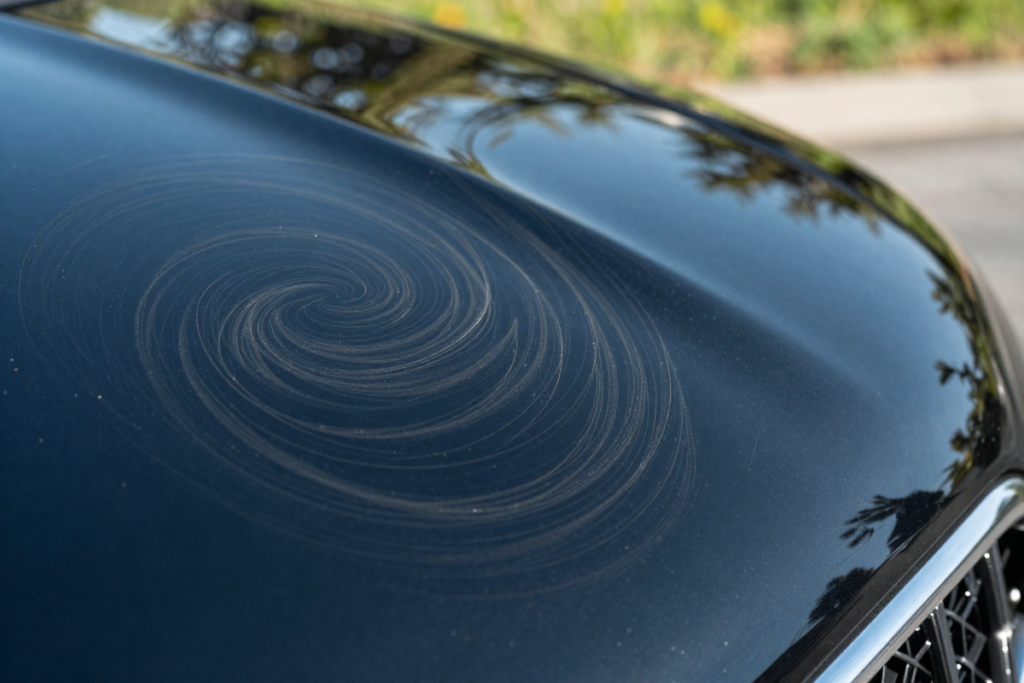
The clear coat is the most vulnerable layer, typically measuring only 40–60 microns thick. That’s thinner than a human hair. Every wash, if done incorrectly, has the potential to introduce micro-scratches and swirl marks into this layer.
Over time, these issues compound into:
- Swirl marks — fine circular scratches visible in direct sunlight, often caused by improper washing
- Water spots — mineral deposits left behind when water evaporates on the surface
- Oxidation — dull, chalky paint caused by UV exposure breaking down the clear coat
- Chemical etching — damage from acidic or alkaline wash products degrading the paint surface
Understanding this vulnerability is exactly why the car wash method you choose matters so much.
What Is a Hand Car Wash?
The Process
A hand car wash involves manually cleaning the vehicle’s exterior using tools, products, and controlled technique. This can be done as a DIY wash at home or by visiting a professional hand wash or detailing service.
The proper hand wash process typically follows these steps:
- Pre-rinse — Rinse the entire vehicle with water to remove loose dirt and debris before any physical contact
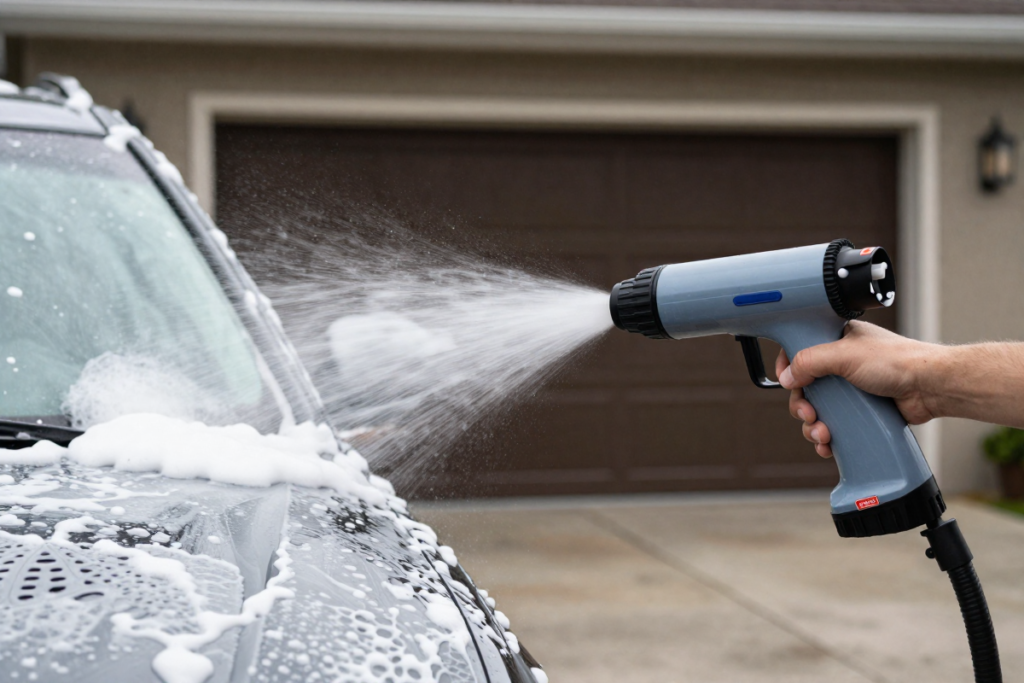
- Foam cannon pre-wash (optional but recommended) — A thick layer of foam is applied to further loosen contaminants with zero friction
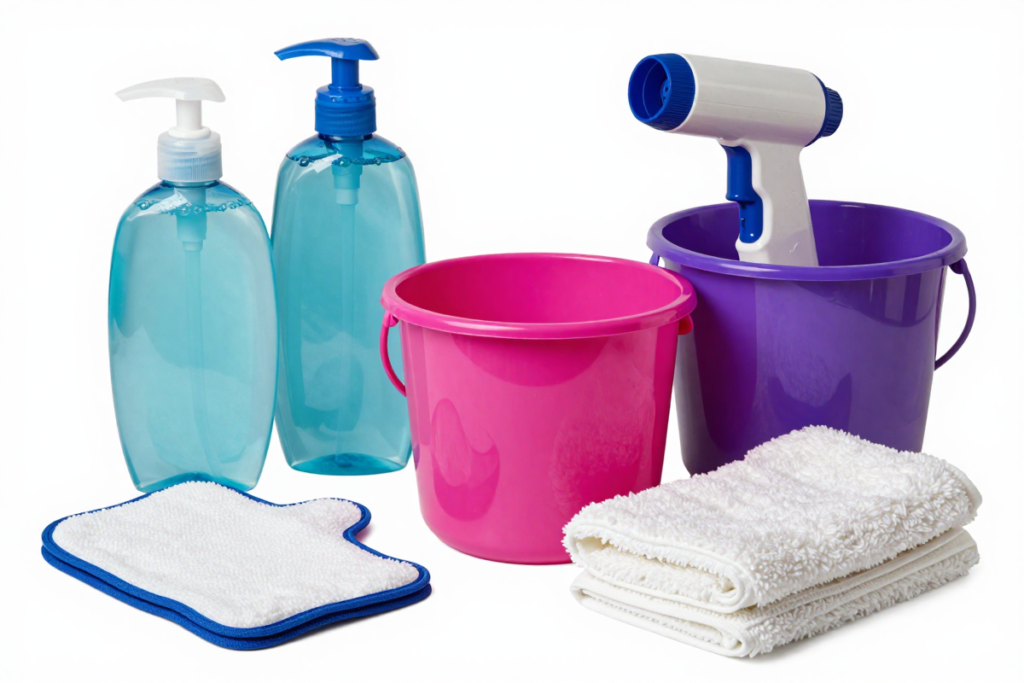
- Two-bucket wash method — One bucket holds clean soapy water, the other holds rinse water with a grit guard insert at the bottom. This prevents dirty water from being reapplied to the paint
- Top-to-bottom washing — Work from the roof down using a microfiber wash mitt, rinsing the mitt frequently
- Final rinse — Thoroughly rinse all soap from the vehicle
- Drying — Use a clean, plush microfiber drying towel or drying aid spray to prevent water spots
Tools & Products You’ll Need
The right equipment makes all the difference between a safe hand wash and one that damages your paint. Here are the essentials:
- 🧤 Microfiber wash mitt — [Microfiber Wash Mitt (Griot’s Garage)]
- 🧴 pH-balanced car shampoo — pH-Neutral Car Shampoo (Turtle Wax)]
- 🪣 Two-bucket wash system with grit guards — Wash Bucket with Grit Guard (by Adam’s Polishes)]
- 🧺 Plush microfiber drying towels — Microfiber Drying Towel (1200 GSM (2 pack)]
- 🔫 Foam cannon (for pre-wash) — Foam Cannon by Swift Jet]
Pros of Hand Washing
- Maximum control — You control the pressure, technique, and tools used on every panel
- Reduced scratch risk — When done correctly using proper tools and technique, hand washing is the safest method for your clear coat
- Targeted cleaning — You can pay extra attention to problem areas like wheel wells, lower panels, and door jambs
- Paint-safe products — You choose the soap, ensuring it’s pH-balanced and won’t strip wax or sealants
Cons of Hand Washing
- Time-consuming — A thorough hand wash takes 45 minutes to over an hour
- Requires skill — Poor technique (dirty mitt, wrong soap, skipping the pre-rinse) can still cause scratches
- Effort and setup — Gathering equipment and cleaning up afterward adds to the time investment
What Is an Automatic Car Wash?
Types of Automatic Car Washes
Not all automatic car washes are created equal. There are three main types:
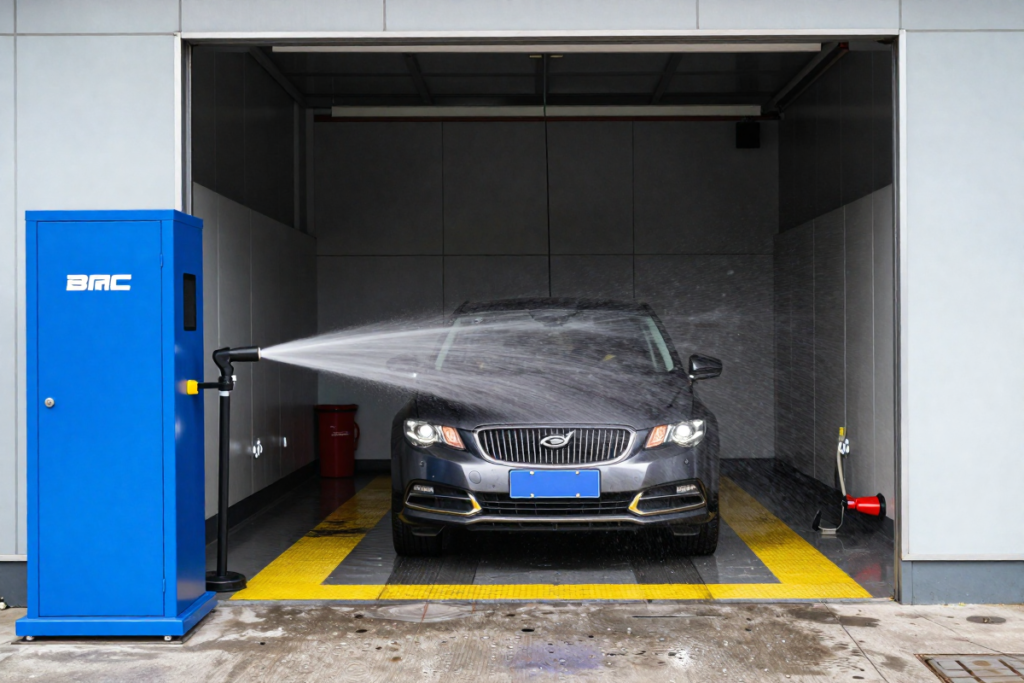
- Touchless (contactless) car wash — Uses high-pressure water jets and chemical detergents only, with no physical contact with the paint surface
- Soft-touch (friction-based) wash — Uses cloth strips, foam brushes, or rotating mitters that make direct contact with the paint
- Tunnel/conveyor car wash — A drive-through system that uses a combination of brushes, sprays, and blowers in a conveyor-style setup
How They Work
Automatic car washes move your vehicle (or move equipment around your vehicle) through a series of cleaning stages:
- High-pressure water jets break up surface dirt
- Chemical detergents are applied to loosen grime
- Rotating brushes or cloth strips (in soft-touch systems) physically agitate the surface
- Rinse agents and drying blowers finish the process
Pros of Automatic Car Washes
- Speed and convenience — Most washes are completed in under 5 minutes
- No effort required — Simply drive in and drive out
- Widely available — Found at gas stations, standalone facilities, and retail locations
- Affordable — Basic washes can cost as little as $5–$10
Cons of Automatic Car Washes
- High risk of swirl marks — Brush-based systems are notorious for leaving circular micro-scratches in the clear coat
- Harsh chemicals — Many facilities use high-alkaline detergents that can strip wax, paint sealants, and even degrade ceramic coatings over time
- Cross-contamination — Brushes and cloths are used on hundreds of vehicles and may carry embedded dirt and debris
- Less thorough — Automatic systems can’t reach every area of the vehicle and often miss lower panels, door handles, and mirrors
Do Automatic Car Washes Scratch Paint? The Direct Comparison
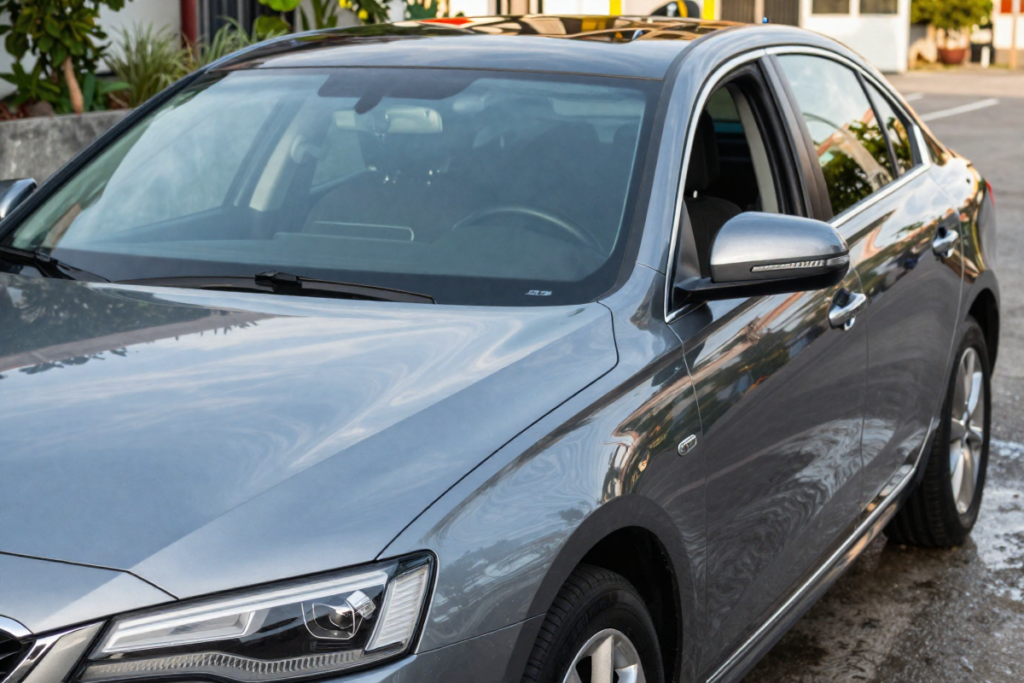
This is the question most drivers are really asking — and with 3,600 monthly searches, it’s clearly on everyone’s mind. Here’s how the two methods stack up across the factors that matter most.
Comparison Table: Hand Wash vs Automatic Car Wash
| Feature | Hand Car Wash | Touchless Auto Wash | Soft-Touch Auto Wash | Self-Service Bay |
|---|---|---|---|---|
| Paint Safety | ⭐⭐⭐⭐⭐ Excellent | ⭐⭐⭐⭐ Good | ⭐⭐ Poor | ⭐⭐⭐⭐ Good |
| Swirl Mark Risk | Very Low (if done right) | Low | High | Low-Medium |
| Cleaning Thoroughness | Excellent | Moderate | Moderate | Good |
| Cost Per Wash | $0–$30+ | $8–$20 | $5–$15 | $3–$10 |
| Time Required | 45–90 min | 3–5 min | 3–5 min | 15–30 min |
| Convenience | Low | High | High | Medium |
| Environmental Impact | Medium | Medium-High | Medium-High | Medium |
Paint Safety
Hand washing wins — When performed correctly with proper tools and technique, a hand car wash poses the lowest risk to your clear coat. The key phrase is “when done correctly.” A hand wash performed with a dirty sponge and dish soap is actually worse than a touchless automatic wash.
Among automatic options, touchless car washes are the safest choice since they eliminate friction entirely. Soft-touch brush systems carry the highest risk of swirl marks and marring, particularly on darker paint colors where imperfections are most visible.
Cleaning Effectiveness
Hand washing provides the most thorough clean, allowing you to address specific problem areas, remove bird droppings, clean wheel spokes, and treat stubborn contamination. Automatic washes, while convenient, frequently leave residue on lower body panels and miss tight areas entirely.
Cost Comparison
A DIY hand wash at home costs very little after the initial tool investment — primarily just soap and water. A professional hand wash typically runs $25–$75 depending on your location and the service level.
Automatic washes range from $5 for a basic tunnel wash to $20+ for a premium package. However, the hidden cost of automatic washes is potential paint correction down the road. Fixing swirl marks from repeated brush-based washes can cost $150–$500 or more at a detailing shop.
Environmental Impact
Interestingly, professional automatic car washes are often more eco-friendly than at-home hand washing. Commercial facilities are required to recycle water and properly treat chemical runoff, while home washing allows soapy water and contaminants to run directly into storm drains. That said, touchless systems tend to use more water and stronger chemicals than hand washing.
Which Is Better for Your Paint? The Verdict
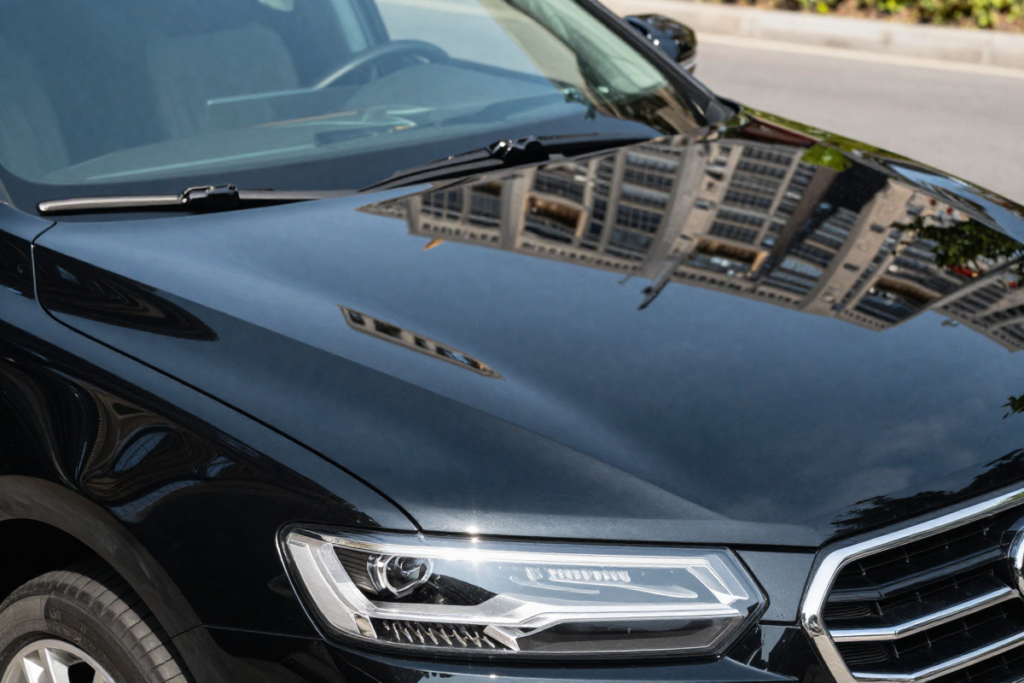
Hand car washing is the safest method for your paint — but only when done correctly.
If you’re driving a new car, a black or dark-colored vehicle, a luxury car, or a vehicle with ceramic coating or paint protection film (PPF), hand washing should be your default method. The level of control you have over products, pressure, and technique simply cannot be replicated by any automated system.
When automatic washes are acceptable:
- In the winter when road salt needs to be removed frequently and conditions make hand washing impractical
- When you’re in a time crunch and a touchless system is your only option
- For quick interim washes between full detail sessions
The golden rule: If you must use an automatic wash, always choose touchless over soft-touch. Avoid heavily worn brush systems at gas stations where maintenance schedules are inconsistent.
Common Mistakes That Damage Paint (Regardless of Method)
Even the best method can cause damage if these mistakes are made:
- ❌ Using a dirty mitt or towel — Reusing a contaminated microfiber can grind embedded particles into your clear coat
- ❌ Skipping the pre-rinse — Never make contact with the paint before rinsing loose debris
- ❌ Washing in direct sunlight — Soap dries rapidly in heat, leaving water spots and residue
- ❌ Using household cleaners — Dish soap and all-purpose cleaners strip protective wax and can etch paint
- ❌ Improper drying — Air drying leads to water spots; always use a quality microfiber drying towel
Pro Tips to Protect Your Car’s Paint
Best Practices for Hand Washing
- Always use the two-bucket method — one for soapy water, one for rinsing your mitt
- Wash top to bottom to prevent dirty water from contaminating already-cleaned panels
- Use a foam cannon for pre-wash to loosen debris before physical contact
- Rinse your microfiber mitt frequently and never drop it on the ground
How to Safely Use Automatic Car Washes
- Always choose touchless over brush-based systems
- Inspect the facility before using it — look for worn, dirty brushes or excessive chemical smell
- Apply a paint sealant or spray wax before visiting an automatic wash to create a sacrificial protective layer
Paint Protection Add-Ons Worth Considering
Protect your investment between washes with these products:
- 🌟 Spray wax — [Turtle Wax Spray Wax]
- 🛡️ Paint sealant — [Meguiar’s Synthetic Paint Sealant]
- 💎 Ceramic coating — [DIY Ceramic Coating Kit]
- ✨ Quick detailer spray — [Chemical Guys Quick Detailer Spray]
💡 Want to learn how to wax like the pros? See our article “How to Wax a Car by Hand: Step-by-Step Guide for a Showroom Shine” here
Seasonal Car Wash Considerations
Winter: Road salt is one of the most corrosive threats to your vehicle’s undercarriage and paint. During winter months, washing every 1–2 weeks is recommended. A touchless automatic wash is acceptable during freezing temperatures when hand washing at home isn’t practical — just prioritize undercarriage rinsing.
Summer: Heat and UV exposure accelerate clear coat oxidation and fading. Wash more frequently to remove bird droppings, tree sap, and bug splatter, which can chemically etch paint if left too long. Avoid washing in direct sunlight to prevent water spots.
Rainy Seasons: Contrary to popular belief, rain does not clean your car — it leaves behind dirt, pollen, and mineral deposits. Maintain your normal washing frequency and apply a hydrophobic coating or spray wax to help water sheet off the surface.
Frequently Asked Questions
Does automatic car wash damage paint?
It depends on the type. Soft-touch brush systems are the most likely to cause swirl marks and micro-scratches, especially on dark paint. Touchless automatic washes carry significantly lower risk but may use harsh chemicals that degrade wax and sealants over time.
Is touchless car wash better than hand wash?
A proper hand wash is safer for your paint than even a touchless automatic wash because you have full control over the products and technique. However, a touchless wash is the best automatic option and is preferable to any brush-based system.
How often should I wash my car?
Most experts recommend washing every 2 weeks under normal conditions. In winter or if you park outdoors near trees, birds, or construction, weekly washing may be necessary to prevent chemical etching from contaminants.
Can I prevent swirl marks completely?
You can dramatically reduce the risk with proper hand washing technique, quality microfiber tools, the two-bucket method, and pH-balanced soap. Applying a ceramic coating adds an additional layer of hardness to the clear coat, making it more resistant to light scratching.
Are professional hand washes worth it?
Yes — especially if you drive a luxury vehicle, a dark-colored car, or a vehicle you want to maintain in showroom condition. A professional detailer uses proper technique, high-quality products, and trained hands to minimize the risk of paint damage.
Is hand washing better for black cars?
Absolutely. Black and other dark paint colors show swirl marks and micro-scratches more visibly than lighter colors. Hand washing with proper technique is strongly recommended for black vehicles, and a ceramic coating can help disguise minor imperfections.
Conclusion
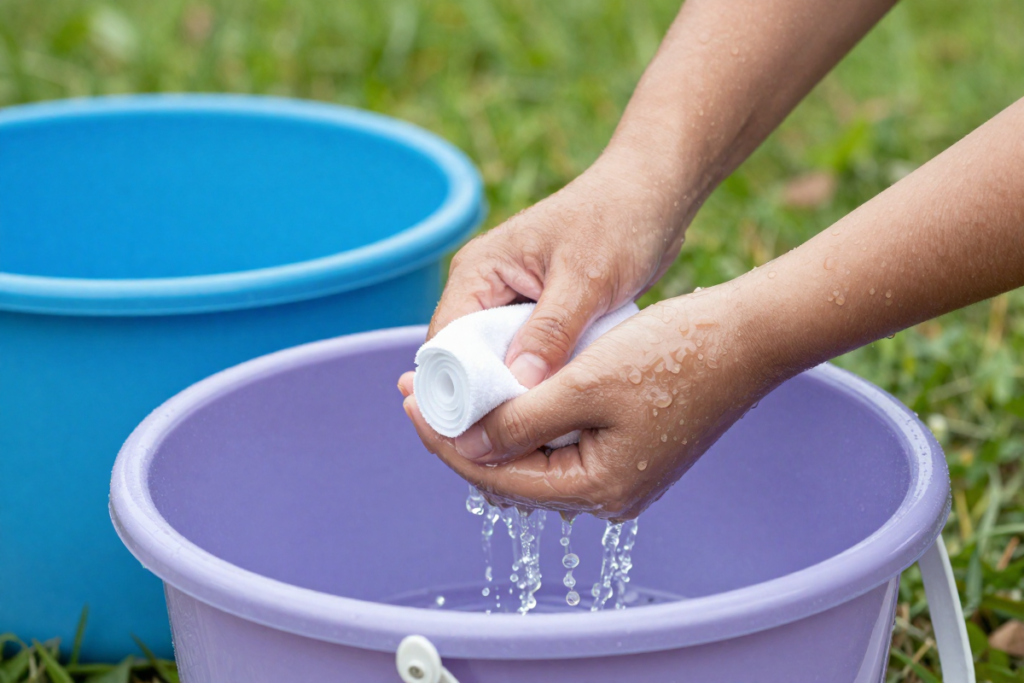
When it comes to the hand car wash vs automatic car wash debate, the evidence is clear: hand washing is the superior choice for protecting your car’s paint — provided you use the right tools, products, and technique. The two-bucket method, quality microfiber materials, and a pH-balanced shampoo are the foundation of a paint-safe routine.
That said, life doesn’t always allow time for a proper hand wash. When you need a quick clean, opt for a touchless automatic wash and avoid brush-based systems whenever possible. Protect your investment by layering on a paint sealant or ceramic coating so your clear coat stays defended between washes.
The best car wash routine isn’t necessarily the most expensive one — it’s the most intentional one.
🛒 Upgrade Your Car Care Routine Today
Ready to protect your paint the right way? Here are our top recommended products to get started:
- ✅ [Chemical Guys 7-piece Beginner Car Wash Kit — Best for New Hand Washers]
- ✅ [Swift Jet Foam Cannon — Pre-Wash Paint Safety Upgrade]
- ✅ [Turtle Wax pH-Neutral Car Shampoo — Top Rated for Paint Safety]
- ✅ [Jay Leno’s Garage Ceramic Coating Spray— Best Long-Term Paint Protection]
Your paint will thank you.
Disclaimer: This article contains affiliate links. If you purchase an item through the link I will earn a small commission at no extra cost to you.